

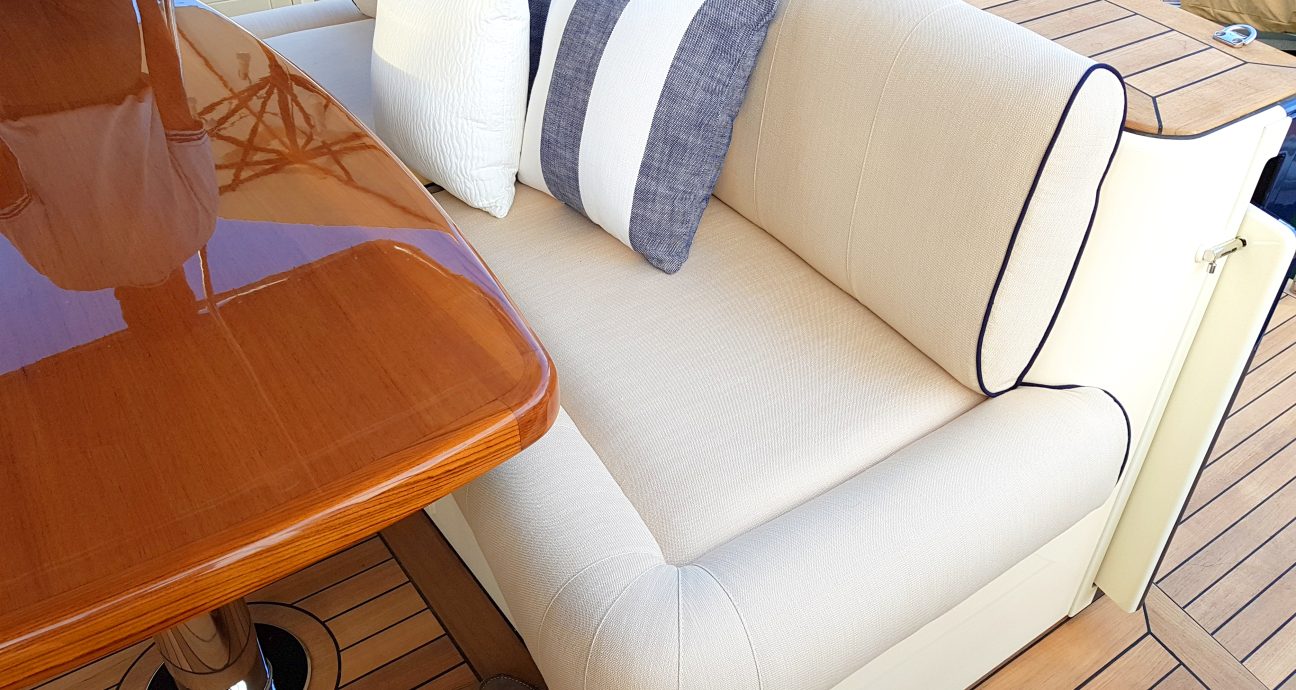
When it comes to boat seats, comfort and durability are non-negotiable. Whether you’re fishing, cruising, or just soaking up the sun, you need cushions that can handle the elements and still keep you comfy. That’s where high density marine foam comes into play. If you’ve ever had soggy, squishy seats after a day on the water, you already know how frustrating the wrong foam can be.
So, let’s dive in and talk about why high density marine foam might just be the unsung hero of your boating experience.
What is High Density Marine Foam?
Imagine foam that doesn’t get soaked, doesn’t fall apart, and bounces back even after a long day under your weight. That’s high density marine foam. It’s specially engineered to withstand the marine environment—think UV rays, saltwater, mold, mildew, and even rough handling.
Unlike regular foam, high density marine foam is made with closed-cell or high-resilience materials. This means it has very little air space between its cells, making it more resistant to water absorption and long-term wear.
Why Density Matters in Marine Foam
You might be wondering—why does density even matter? Well, think of it like your mattress. A soft, low-density mattress might feel good at first, but give it a few months and it starts sagging. Same goes for boat seats.
High density marine foam offers:
- More support and structure
- Better weight distribution
- Longer lifespan
- Resilience under heavy use
In short, high density means you won’t feel like you’re sitting on a worn-out sponge after just one season.
Top Benefits of High Density Marine Foam for Boat Seats
1. Exceptional Comfort
Let’s be real—nobody wants a numb backside during a fishing trip or a cruise with friends. High density foam molds just enough to your shape without going flat. It strikes the perfect balance between firm and cushy.
2. Built for the Harsh Marine Environment
Saltwater? No problem. UV rays? Bring it on. This foam resists just about everything nature throws at it. That means your seats won’t break down or get moldy after a couple of rainy days.
3. Long-Term Investment
Yes, it might cost a little more upfront. But over time, you’ll save money on replacements and repairs. High density marine foam can last 5–10 years or more, depending on usage.
4. Customizable Shapes and Sizes
Need a weird-shaped bench cushion or a specialized helm seat? No worries. High density foam can be easily cut and shaped to fit just about any seating configuration on your boat.
5. Low Maintenance
Forget flipping cushions every week or airing them out. Just a quick rinse and occasional scrub is enough to keep them looking and feeling great.
Best Types of High Density Marine Foam
There are a few types of foam you’ll commonly see marketed as “high density” for marine seating. Here are the top ones:
- Waterproof and rigid
- Great for backing cushions or high-impact areas
- Doesn’t absorb water at all
- Soft yet supportive
- Ideal for seat cushions and backs
- Has a “springy” feel and lasts longer than standard polyurethane foam
- Open-cell but designed to drain water quickly
- Treated to resist mold and mildew
- Perfect for outdoor cushions exposed to rain or splash
Each of these foams offers specific benefits, but if you want the best mix of comfort, durability, and performance, HR foam and Dry Fast are top picks for seating.
How to Choose the Right Marine Foam Density
Choosing the right density might feel like rocket science, but it doesn’t have to be. Here’s a quick breakdown:
- Medium Density (1.8 – 2.5 lb/ft³): Good for backrests and light-use seats
- High Density (2.5 – 3.0+ lb/ft³): Ideal for seat cushions, helm chairs, and long-use areas
- Very High Density (4.0+ lb/ft³): Best for heavy-duty applications and maximum durability
If in doubt, go with higher density for seating—it’s better to be over-supported than under.
DIY Tip: Replacing Your Boat Seat Foam
Feeling handy? Replacing boat seat foam yourself isn’t as hard as it sounds.
Here’s a quick step-by-step:
- Remove the old cushions and trace the foam shape onto your new high density foam.
- Cut it using an electric knife or sharp blade.
- Glue the foam to a backing board if needed.
- Wrap it with marine vinyl or a breathable cover.
- Reinstall and enjoy the comfort upgrade!
Conclusion: Why High Density Marine Foam is Worth It
At the end of the day, boating should be about enjoyment—not battling soggy, worn-out seats. Investing in high density marine foam transforms your time on the water. It’s not just about comfort—it’s about durability, performance, and peace of mind.
Whether you’re a weekend warrior or a liveaboard sailor, the right foam makes all the difference.
So, next time you settle into your boat seat, make sure it’s one that’s built to last—and built to support you.
FAQs About High Density Marine Foam
1. What is the best foam density for boat seats?
For most marine seat cushions, a density of 2.5 to 3.0 lb/ft³ provides excellent support and longevity.
2. Does high density marine foam absorb water?
Not usually. Most high density marine foams, especially closed-cell types, are water-resistant or waterproof.
3. Can I cut marine foam myself?
Absolutely. Use an electric knife or sharp utility blade for best results. Measure twice, cut once!
4. How long does marine foam last?
With proper care, high density marine foam can last anywhere from 5 to 10 years, depending on conditions.
5. Is marine foam safe in saltwater environments?
Yes! Marine foam is specifically made to resist saltwater, sun, and mold, making it perfect for ocean use.