


Best Foam for Outdoor Bench Cushions – If you’ve ever plopped down on an outdoor bench cushion only to feel a thin, uneven, or soggy surface beneath you, you already understand just how disappointing it can be when the foam inside doesn’t live up to expectations. Outdoor benches are meant to provide a welcoming, comfortable space to relax, whether you’re sipping your morning coffee, reading a good book in the afternoon sun, or gathering with friends for an evening chat. However, when the foam loses its shape, becomes waterlogged, or develops an unpleasant odor, your relaxing outdoor retreat can quickly turn into a source of frustration. Choosing the right foam isn’t just about making your seating look nice — it’s about ensuring it remains supportive, comfortable, and weather-resistant over the long term.

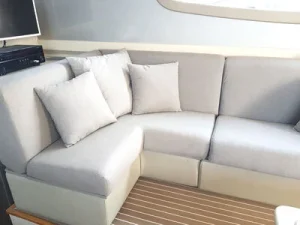
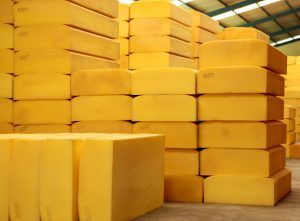
Portofolio Quickdryfoam




Why the Right Foam Matters for Outdoor Bench Cushions
Foam is essentially the “engine” of your cushion — the hidden component that determines whether your outdoor seating feels like a luxury spot you can sink into or a flat, lifeless surface that you can’t wait to get up from. Poor-quality foam can quickly lose its bounce, become misshapen, or trap moisture, leading to mold, mildew, and unpleasant odors that are not only unappealing but also unhygienic. On the other hand, high-quality foam offers consistent support, maintains its structure over time, and resists the elements, allowing you to enjoy your outdoor space without constant maintenance or replacements. In short, think of it like choosing the right mattress: a good one will support and comfort you for years, while a bad one will cause discomfort and headaches from the moment you use it.
Think of foam as the heart of your cushion. If it’s poor quality, your cushion will feel uncomfortable, lose its shape, and possibly start growing mildew faster than you can say “patio party.” The right foam means:
- Long-lasting comfort
- Weather resistance
- Better support for sitting
- No nasty odors or mold issues
It’s like picking the right mattress — you wouldn’t choose a lumpy bed for your back, so why settle for lumpy outdoor seating?
Key Factors to Consider When Choosing Foam for Outdoor Bench Cushions
Before diving into the different types of foam, it’s important to understand the specific qualities that make foam suitable for outdoor use.
1. Water Resistance
Outdoor cushions inevitably face exposure to rain, dew, or accidental spills, so the foam you choose should resist soaking up water like a sponge. Foams with open structures that allow moisture to drain quickly or with a closed structure that blocks water absorption entirely will help prevent the growth of mold and mildew, extending the life of your cushions.
2. Comfort Level
Cushion comfort is highly personal, but for bench seating, a medium-firm foam often offers the best balance between plush comfort and proper support. You want a cushion that feels inviting to sit on for extended periods without feeling like you’re sinking too deeply or perching on a rock.
3. Durability
Outdoor furniture faces harsher conditions than indoor furniture, enduring direct sunlight, fluctuating temperatures, and constant use. The foam you select should have a high level of resilience so it can spring back to its original shape after being compressed, and it should resist breaking down from UV exposure or moisture over time.
4. Thickness
While thickness contributes to comfort, it should work in harmony with foam density. A thicker cushion with low-density foam may still flatten quickly, while a thinner cushion with high-density foam can feel supportive for years.
Best Types of Foam for Outdoor Bench Cushions
There are several types of foam commonly used for outdoor seating, each with its strengths and ideal applications.
1. Dryfast Foam (Quick-Dry Foam)
When it comes to outdoor performance, Dryfast foam is often considered the gold standard. This type of foam features large, open cells that allow water to pass through and drain almost instantly, meaning it dries significantly faster than standard foam. This quick-drying property not only makes it ideal for areas with frequent rainfall or high humidity but also reduces the likelihood of mold and mildew forming inside the cushion. If you have a bench that’s fully exposed to the elements, Dryfast foam is a dependable choice that will keep your seating ready for use without long drying times.
2. Open-Cell Foam
Open-cell foam offers a softer, more breathable feel compared to many other options. Because of its porous structure, it allows some airflow, which can help moisture evaporate more quickly than in denser indoor foams. However, while it dries faster than traditional indoor foam, it still retains more water than Dryfast foam, so it’s better suited for benches in covered patios, screened porches, or other partially protected outdoor spaces where it won’t be exposed to heavy rain on a regular basis.
3. Closed-Cell Foam (Polyethylene Foam)
If you’re looking for complete water resistance, closed-cell foam is practically impermeable to moisture. Its dense structure doesn’t allow water to penetrate, making it ideal for marine environments, docks, or benches that might frequently get wet. Another advantage is that closed-cell foam is buoyant, which is why it’s often used in boat seating. However, it’s worth noting that it has a firmer, less cushioned feel, so it may not be the most comfortable choice if plush seating is your priority.
4. High-Density Polyurethane Foam
High-density polyurethane foam is a great option if you prioritize comfort above all else. It provides excellent support, resists sagging, and holds its shape well over time. While it’s not inherently water-resistant, it can be used in outdoor settings if wrapped in a protective water-resistant liner or paired with waterproof cushion covers. This foam is particularly well-suited for covered outdoor areas or seasonal seating that can be brought inside during bad weather.
How to Make Your Outdoor Foam Last Longer
Even the highest-quality foam will last longer with proper care. Using cushion covers made from durable, UV-resistant, and water-repellent fabrics such as Sunbrella will help protect the foam from sun damage and moisture. During heavy rains or winter months, store cushions indoors or in a dry storage box to prevent unnecessary wear. Every few weeks, take a moment to fluff or rotate your cushions to maintain even compression, and if a spill occurs, clean it promptly to avoid stains and lingering odors.
No matter what foam you choose, a little TLC will keep it in top shape:
- Use water-resistant covers — fabrics like Sunbrella help block moisture and UV rays.
- Bring cushions inside during heavy rain or winter months.
- Shake and air them out every so often to prevent musty smells.
- Spot clean quickly if you spill food or drinks.
Choosing Foam Density & Thickness
Foam density determines how supportive and durable it will feel over time. Medium-density foam in the range of 1.8–2.0 lbs/ft³ typically offers a good balance between comfort and firmness, while high-density foam at 2.5 lbs/ft³ or above provides maximum durability and support for heavy use. As for thickness, 2 inches may be fine for decorative benches or short-term seating, but for real comfort during long sitting sessions, 3 to 4 inches is the sweet spot, with 5 inches or more delivering a luxurious, sofa-like experience.
Foam density determines how supportive and durable it feels.
- Medium density (1.8–2.0 lbs/ft³) → Great balance of comfort and support.
- High density (2.5+ lbs/ft³) → Maximum durability and firmness.
Thickness guide for benches:
- 2” → Firm, sleek look, great for short sitting periods.
- 3”–4” → The sweet spot for comfort and support.
- 5”+ → Super plush, more like an indoor sofa feel.
Final Thoughts
The best foam for outdoor bench cushions depends on your climate, comfort preference, and how much maintenance you’re willing to do. If you want the lowest maintenance option, go for Dryfast foam. If you prefer extra firmness and water resistance, choose closed-cell foam. For plush comfort in a covered space, high-density polyurethane is the way to go.
Your bench is more than just seating — it’s a place for morning coffee, sunset chats, and lazy weekend lounging. Choosing the right foam ensures every moment is as comfortable as it should be.
FAQs About Best Foam for Outdoor Bench Cushions
1. Can I use indoor foam for outdoor bench cushions?
No, indoor foam absorbs water easily and will quickly develop mold and mildew if exposed to outdoor conditions.
2. How thick should foam be for an outdoor bench cushion?
Generally, 3 to 4 inches is ideal for a balance of comfort and support, while 5 inches or more gives a plush, sofa-like feel.
3. What’s the most durable outdoor foam?
Dryfast foam is highly durable and weather-resistant, making it one of the best choices for all-weather use.
4. How do I keep outdoor cushions from going flat?
Choose high-density foam, rotate the cushions regularly, and avoid prolonged compression when not in use.
5. Do I still need covers for water-resistant foam?
Yes, even water-resistant foam benefits from protective covers, which help block UV damage and extend the cushion’s lifespan.