


Best Foam for Outdoor Chaise Cushions – If you’ve ever stretched out on your outdoor chaise lounge expecting a plush and supportive feel, only to discover you’re sinking into a cushion that’s flat, soggy, or lumpy, you already know how important the right foam truly is for outdoor comfort. While many people focus on the fabric color, patterns, and overall style of their patio furniture, the truth is that the foam inside the cushion is what actually determines how comfortable, resilient, and weather-resistant your seating experience will be over time. Whether you enjoy sunbathing by the pool, curling up with a book in the garden, or simply sipping your morning coffee outdoors, choosing the right foam for your chaise cushion can dramatically elevate your relaxation time and extend the life of your furniture.

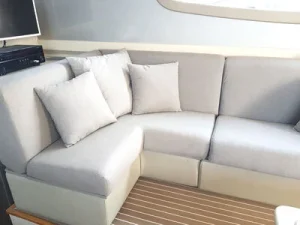
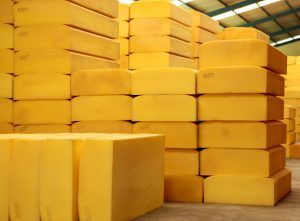
Portofolio Quickdryfoam
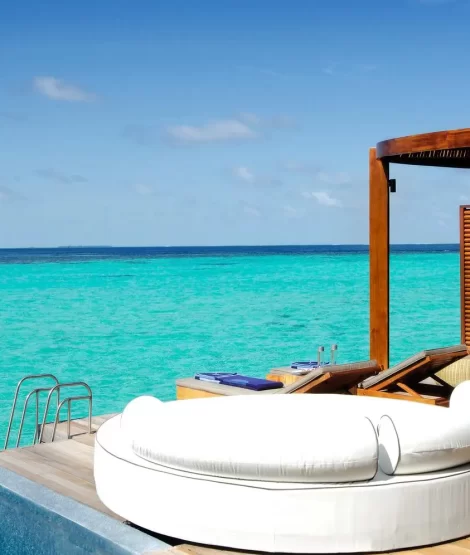
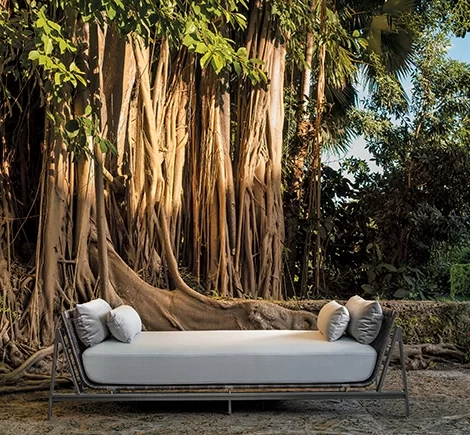


Why Foam Choice Matters for Outdoor Chaise Cushions
At first glance, you might assume all cushion foam is basically the same, but nothing could be further from the truth. The foam inside your outdoor chaise cushion has to perform multiple jobs at once — it must provide consistent comfort, retain its shape over months and years of use, and resist the damaging effects of sunlight, rain, and fluctuating temperatures. Choosing a poor-quality or unsuitable foam can lead to cushions that become waterlogged after every rain shower, lose their firmness within a single season, or even develop mold and mildew. On the other hand, selecting the right type of foam means you’ll have cushions that dry quickly, resist flattening, and feel just as inviting at the end of the summer as they did on the first warm day of spring. In other words, the foam is the hidden backbone of your outdoor lounging comfort.
Key Features to Look for in Outdoor Foam
When it comes to outdoor chaise cushions, not just any foam will do — certain properties are essential to ensure your seating stays comfortable and functional in outdoor conditions.
1. Quick-Drying Capability
Outdoor chaise cushions are frequently exposed to rain, morning dew, or splashes from the pool, so a foam that dries rapidly is a must. Quick-dry foam is engineered with a special open-cell structure that allows water to pass through easily rather than being absorbed and trapped inside, which means your cushions dry in hours instead of days and are far less likely to develop mold or unpleasant odors.
2. UV Resistance
Sunlight, particularly UV rays, can break down foam over time, causing it to become brittle, discolored, or crumbly. UV-resistant foam is treated to withstand prolonged sun exposure, allowing it to maintain its integrity and support far longer, even in sunny climates where outdoor furniture sits in direct light for much of the day.
3. Firmness Level
The firmness of your foam is key to long-term comfort. For chaise lounges, a medium-firm foam typically strikes the perfect balance, providing enough structure to support your body evenly while still offering a soft, relaxing feel for extended lounging sessions. Too soft, and the foam will compress too quickly; too firm, and it won’t feel inviting.
4. Breathability
Breathable foam promotes airflow, which not only speeds up drying but also keeps cushions cooler on hot days and fresher over time. This is especially important in humid or tropical climates where moisture buildup can quickly lead to mildew.
Top Foam Types for Outdoor Chaise Cushions
Quick-Dry Foam (Reticulated Foam)
When it comes to outdoor comfort and performance, quick-dry foam, also known as reticulated foam, is widely considered the gold standard. Thanks to its large, open-cell structure, it allows water and air to flow freely through the cushion, so it never stays wet for long and remains fresh even after a rainstorm. This makes it particularly well-suited for poolside chaises, coastal decks, or any seating that’s fully exposed to the elements. While it’s more expensive than regular foam, the long-term comfort, durability, and hygiene benefits make it a smart investment for anyone serious about outdoor lounging.
Pros: Dries in just a few hours, resists mold and mildew, extremely durable.
Cons: Higher upfront cost compared to basic foam.
Best for: Poolside lounges, coastal regions, humid climates.
Dryfast Foam
Dryfast foam is specifically designed for demanding outdoor use, offering quick drainage and built-in antimicrobial properties to combat mold and mildew growth. Its density makes it comfortable yet supportive, which is perfect for chaise cushions that need to hold their shape even with frequent use. Dryfast foam is also UV stabilized, which means it can handle strong sun exposure without deteriorating quickly. Although it’s on the pricier side, it can last for many seasons with minimal loss in comfort.
Pros: Highly durable, fast-draining, UV resistant, antimicrobial.
Cons: Higher price point, but excellent longevity.
Best for: All-weather seating, uncovered patios, high-moisture areas.
Polyurethane Foam (Outdoor Grade)
Polyurethane foam is widely available and commonly used in cushions, but for outdoor chaise cushions, you’ll need to select an outdoor-grade version that has been treated for UV and moisture resistance. While not as quick-drying as reticulated foam, it offers a good balance between comfort and affordability. If you keep your chaise under a covered patio or only use it in fair weather, this can be a cost-effective option.
Pros: Affordable, comes in multiple densities, easy to find.
Cons: Slower to dry, may require additional waterproof covers.
Best for: Covered patios, low-rainfall climates.
Closed-Cell Foam
With its completely sealed cell structure, closed-cell foam is 100% waterproof and won’t absorb moisture at all. It’s also incredibly buoyant, making it ideal for marine seating or extreme wet environments. However, it’s much firmer than open-cell foams, so it may not be as comfortable for long lounging sessions.
Pros: Totally waterproof, very durable, floats on water.
Cons: Less soft and cushiony, more expensive.
Best for: Boats, docks, areas with constant water exposure.
How to Choose the Right Foam for Your Outdoor Chaise
Selecting the perfect foam comes down to evaluating your environment, usage patterns, and budget. If you live in an area that experiences frequent rain or high humidity, quick-dry or Dryfast foam will save you countless hours of waiting for cushions to dry and protect you from mold-related issues. If your chaise is kept under shade or in a relatively dry climate, outdoor-grade polyurethane can be a cost-friendly option without sacrificing comfort. And if you need the ultimate in waterproof performance, closed-cell foam is your best bet, even if it means sacrificing a bit of plush comfort. Always balance initial cost against expected longevity, as premium foams often end up more economical over time because they resist breakdown and replacement.
Tips to Extend the Life of Your Outdoor Chaise Cushions
Even with the best foam, care and maintenance play a major role in longevity. Always invest in high-quality, weather-resistant cushion covers that protect against both moisture and UV rays. During extreme weather conditions or in the off-season, bring cushions indoors or store them in a dry, ventilated space. Clean them regularly using mild soap and water to remove dirt, sunscreen residue, and organic debris that can harbor mildew. Additionally, rotating your cushions periodically ensures even wear, keeping them comfortable and visually appealing for years.
Final Verdict: The Best Foam for Outdoor Chaise Cushions
The right foam turns your outdoor chaise lounge into the ultimate relaxation spot. Instead of worrying about soggy, flat cushions, invest in foam that stands up to the elements and supports you in total comfort. Whether you’re poolside, on a sunny deck, or under a leafy pergola, your foam choice will decide how luxurious your lounging time really feels.
For the ultimate combination of comfort, durability, and weather performance, quick-dry (reticulated) foam stands out as the clear winner. It handles everything from heavy rain to blazing sunlight with ease while remaining comfortable and hygienic. Close behind is Dryfast foam, which offers similar benefits along with excellent antimicrobial protection. If you’re on a tighter budget and your chaise is in a protected location, outdoor-grade polyurethane can be a great compromise. And for those who need absolute waterproofing, closed-cell foam is unbeatable in wet environments, though it sacrifices some plushness. In short, your foam choice should align with your climate, usage, and comfort preferences.
FAQs About Foam for Outdoor Chaise Cushions
1. What thickness is best for outdoor chaise cushions?
For most outdoor chaise cushions, a thickness between 3–5 inches provides a comfortable balance between softness and support, with 4 inches being the most popular choice.
2. How long does quick-dry foam last?
When properly cared for, high-quality quick-dry foam can maintain its comfort and resilience for 5–8 years, even with regular outdoor use.
3. Can I use indoor foam for outdoor cushions?
It’s not recommended because indoor foam absorbs water easily, dries slowly, and deteriorates rapidly in sunlight, leading to mold and early breakdown.
4. Is memory foam good for outdoor chaise cushions?
Memory foam is not ideal for outdoor use since it holds moisture and can encourage mold growth, making it better suited for indoor seating.
5. How can I tell if my foam is outdoor grade?
Look for labels indicating UV stabilization, antimicrobial treatment, and quick-dry or open-cell structure — these are the hallmarks of foam designed for outdoor environments.