


When it comes to creating a cozy and inviting outdoor seating area, cushions are not just an accessory – they’re the very thing that makes lounging outside comfortable and enjoyable. But here’s the catch: not all cushions are built the same, and the secret to long-lasting, supportive, and weather-friendly cushions lies in the foam inside them. Choosing the best foam for outdoor seat cushions can feel tricky, but once you understand your options, it becomes much easier to pick the right one for your needs.
In this guide, we’ll break down everything you need to know about outdoor cushion foam – the types, features, and expert tips – so your cushions stay comfortable and resilient, no matter the weather.

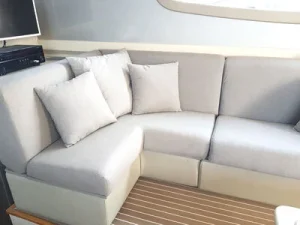
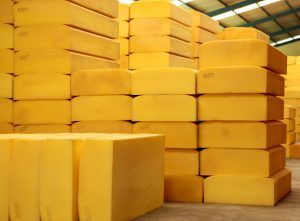
Portofolio Quickdryfoam
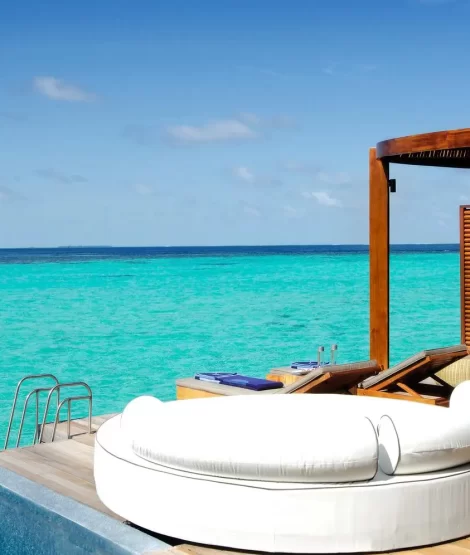
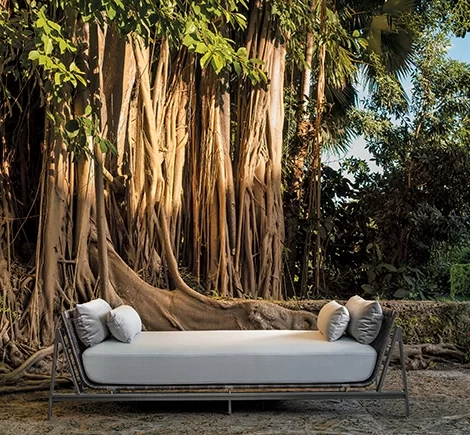



Why Foam Matters for Outdoor Cushions
Think about it: when you sit outside on your patio or deck, the cushion foam determines whether you sink into comfort or struggle with a flat, worn-out pad. Foam isn’t just about softness—it also affects durability, water resistance, breathability, and how well the cushions bounce back after being used.
Outdoor cushions face extra challenges compared to indoor ones. They have to deal with sun exposure, rain, humidity, and sometimes even mold or mildew. Without the right foam, your cushions will quickly break down, sag, or develop unpleasant odors. That’s why picking high-quality foam is key to enjoying your outdoor furniture for years.
Types of Foam for Outdoor Seat Cushions
With so many foam options available, it’s easy to get confused about which one is the best for outdoor use. Each type of foam has its own strengths and weaknesses, so let’s take a closer look at the most popular choices and what makes them unique.
Quick Dry Foam is widely considered the best option for outdoor cushions because it is specially engineered with an open-cell structure that allows water to flow straight through rather than getting trapped inside. This design means that after a heavy rain shower or a splash from the pool, the foam doesn’t stay soggy—it dries much faster, preventing mold and mildew from forming. You can think of it like a breathable sponge that doesn’t hold water but instead lets it drain freely, which is a huge advantage if you live in a humid or rainy climate. While it does come with a higher price tag compared to standard foam, the comfort, durability, and low maintenance it offers make it a smart long-term investment.
Polyurethane foam is one of the most commonly used foams for indoor and outdoor cushions because it’s affordable, soft, and widely available. However, the downside is that traditional polyurethane foam tends to absorb water like a sponge, which makes it a poor choice for outdoor environments where rain or humidity are common. Once the foam soaks up water, it takes a long time to dry, leading to odors, mildew, and a much shorter lifespan. Some higher-end versions are treated with special coatings to resist moisture, making them somewhat better for occasional outdoor use, but they still can’t compete with Quick Dry Foam when it comes to handling wet conditions.
If you’re looking for foam that can handle constant exposure to moisture, Reticulated Foam is another excellent choice. Like Quick Dry Foam, it has a highly porous structure that encourages air circulation and allows water to drain freely, which means the cushions dry quickly even in damp climates. This type of foam is extremely durable and comfortable, making it a top pick for outdoor lounges, patio sets, and poolside seating. The main drawback, however, is the price, since Reticulated Foam is one of the most expensive foams available. That being said, if you want cushions that stay fresh and last for years without losing their bounce, the investment can pay off.
4. Closed-Cell Foam (EVA or Polyethylene Foam)
Closed-cell foam works a little differently because it’s designed to repel water instead of letting it pass through. It is dense, firm, and doesn’t absorb moisture, making it a popular choice for marine seating, boat cushions, and other high-moisture environments where durability is more important than softness. The downside is that this foam is not as plush or comfortable as open-cell foams, so it’s better suited for bench-style seating or situations where you need a sturdy, supportive cushion that can withstand tough conditions without getting damaged.
How to Choose the Best Foam for Your Outdoor Cushions
When it comes to selecting the right foam, it’s not just about grabbing the cheapest or most readily available option—you need to think about your environment, how you’ll use the cushions, and what balance of comfort and durability matters most to you.
1. Consider Your Climate
If you live in a rainy, tropical, or coastal area where cushions are constantly exposed to moisture, Quick Dry Foam or Reticulated Foam is the smartest choice because it dries fast and prevents mildew. On the other hand, if you’re in a dry climate with minimal rain, you could get away with using treated polyurethane foam as a budget-friendly option.
2. Balance Comfort with Durability
Closed-cell foam might last a long time, but it’s firm and not as comfortable for lounging, while Quick Dry Foam offers plush comfort but comes at a higher cost. Think about whether you’d prefer cushions that feel soft and inviting or ones that hold up under heavy use with less maintenance.
3. Think About Maintenance
Nobody wants to spend hours scrubbing cushions, so choosing foams that naturally resist mold and odors can save you time and effort. Quick Dry and Reticulated foams are the easiest to care for since they dry out quickly after rain and don’t hold moisture.
4. Keep Your Budget in Mind
While it can be tempting to go with the cheapest option, remember that low-cost foam often needs to be replaced more frequently. Spending more upfront on high-quality foam can actually save you money in the long run since you won’t need to buy replacements as often.
Tips to Extend the Life of Outdoor Foam Cushions
Even the best outdoor foam needs some TLC if you want it to last for years. To keep your cushions in top shape, use protective covers made from weather-resistant fabrics like Sunbrella, bring them inside or store them in a waterproof box during bad weather, and clean them regularly by airing them out or wiping them down. Flipping and rotating cushions helps distribute wear evenly, and investing in waterproof slipcovers can give you an extra layer of defense against sudden rain. A little care goes a long way in making sure your outdoor seating stays inviting and comfortable.
The Verdict: Which Foam Is the Best?
Caring for closed cell foam cushions is simple and requires very little effort compared to other cushion types. You can quickly wipe them down with a damp cloth to remove dirt or spills, and they dry quickly without holding moisture. For maximum longevity, consider storing the cushions during extreme weather, like heavy storms or freezing winters. Rotating them every now and then can also help prevent uneven wear, keeping your cushions looking and feeling brand new for years.
The Verdict: Which Foam Is the Best?
At the end of the day, if you want the perfect balance of comfort, resilience, and weather protection, Quick Dry Foam (QDF) stands out as the best foam for outdoor seat cushions. Reticulated Foam is an equally great choice, particularly if you live in a very wet or humid region, while Closed-Cell Foam is the go-to option for heavy-duty, water-resistant seating on boats or benches. Polyurethane foam can work in drier climates or as a budget-friendly choice, but it won’t last as long under constant outdoor use. By weighing your needs, climate, and budget, you can make an informed decision that keeps your outdoor seating both stylish and functional.
Conclusion
Choosing the best foam for outdoor seat cushions might seem like a small detail, but it’s one that has a huge impact on your comfort and the longevity of your furniture. With the right foam, you won’t have to worry about saggy seats, water damage, or unpleasant odors, and you’ll be able to enjoy your outdoor space the way it was meant to be—relaxing, inviting, and hassle-free. By investing in quality materials and taking care of your cushions, you ensure that your outdoor seating remains a cozy retreat for family gatherings, quiet afternoons, or lively summer parties.
FAQs About Best Foam for Outdoor Seat Cushions
1. What is the most comfortable foam for outdoor cushions?
Quick Dry Foam and Reticulated Foam provide the best mix of comfort and durability since they feel soft while resisting water damage.
2. How long does outdoor cushion foam last?
High-quality foams like QDF or Reticulated Foam can last 5–7 years with proper care, while cheaper polyurethane foam may only last 2–3 years.
3. Can I use indoor foam for outdoor cushions?
It’s not recommended because indoor foam absorbs water, which leads to mold, mildew, and quick deterioration when exposed to the elements.
4. How can I protect outdoor cushion foam from rain?
You can use water-resistant cushion covers, bring the cushions inside during storms, or choose quick-drying foams that naturally resist moisture.
5. Is Reticulated Foam worth the higher cost?
Yes—if you live in a wet or humid area, the long-term durability, fast drying time, and comfort make Reticulated Foam an excellent investment.