


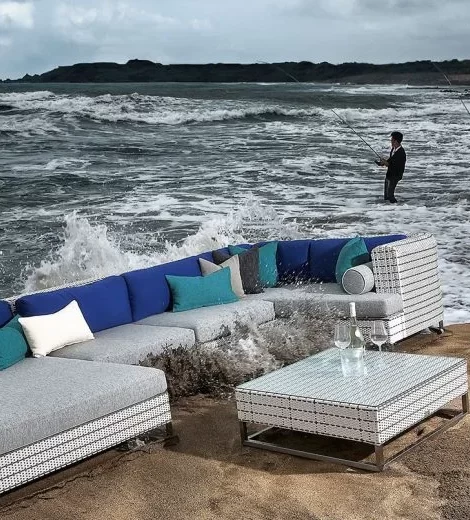
Living near the coast in the Carolinas is a dream—sun, surf, and sea breezes all day long. But if you’ve ever tried decorating your outdoor spaces, you know the struggle is real when it comes to finding cushions that can handle the salty air, humidity, and intense sunlight. The solution? Durable foam cushions made specifically for coastal living.
Whether you’re sprucing up your porch in Charleston or revamping your deck in the Outer Banks, the right cushions can make all the difference. Let’s dive into why foam cushions are a must, what types to consider, and how to keep them looking fresh year-round.

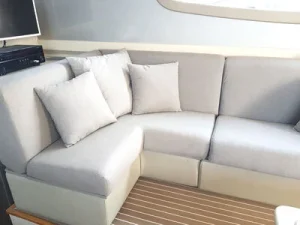
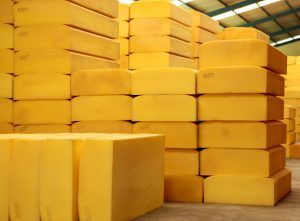
Portofolio Quickdryfoam
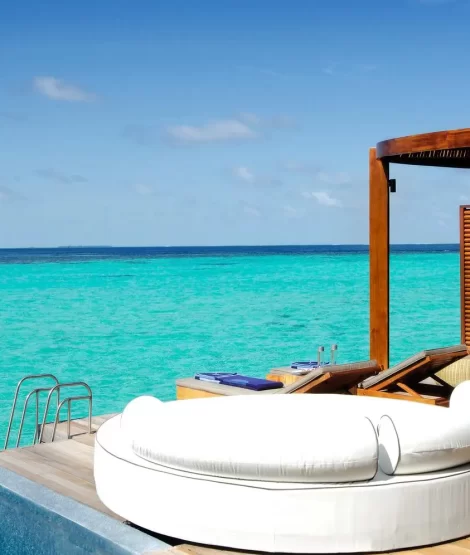
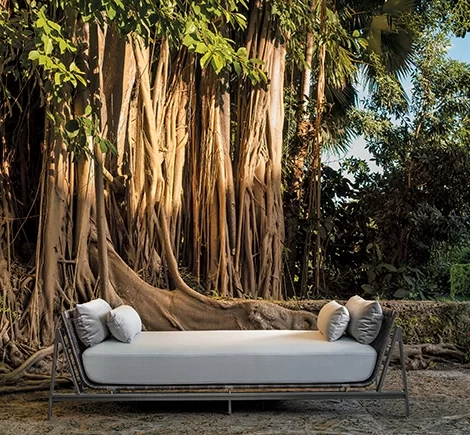


Why Coastal Homes in the Carolinas Need Special Cushions
The Carolinas boast some of the most stunning beachside communities in the country—but with that beauty comes a tough climate for outdoor furniture. You’re battling:
- Salt-laden air that can corrode materials and weaken fabrics
- High humidity and moisture that can lead to mold and mildew
- Strong UV rays that fade and degrade cushion covers over time
Standard cushions just won’t cut it here. If they’re not made with the right materials, you’ll be replacing them faster than a summer thunderstorm rolls in.
Types of Foam for Cushions (And What They’re Good For)
The secret lies in the type of foam and the covering materials. Coastal-ready cushions need to resist moisture, dry quickly, and stay comfortable.
1. Quick-Dry Foam
Ever heard of reticulated foam? This open-cell foam is a game-changer. Unlike traditional foam, it doesn’t hold water like a sponge. It drains and dries super quickly, which means less mold, fewer smells, and longer life.
2. High-Density Foam for Shape Retention
Nobody likes saggy cushions. High-density foam maintains its shape over time and provides that just-right balance of support and comfort—even with constant use.
3. Antimicrobial Properties
With all the humidity and potential rain, foam that resists mold and mildew is non-negotiable. Look for foam treated with antimicrobial solutions for added protection.
Best Fabric Options for Coastal Cushion Covers
Foam is only half the battle. Your cushion covers need to be just as resilient. Here are the top contenders:
☀️ Sunbrella Fabric
You’ve probably seen this name before—and for good reason. Sunbrella is a UV-resistant, fade-proof, and water-resistant fabric perfect for harsh coastal conditions. It also resists mold and mildew and is easy to clean.
🌊 Olefin (Polypropylene)
Another strong contender, olefin is colorfast, quick-drying, and super durable. It’s also eco-friendly, which is a big win if you’re trying to go green.
How to Choose the Right Cushions for Your Coastal Home
So now that we’ve covered materials, let’s talk selection strategy. How do you pick the perfect foam cushions for your coastal porch, patio, or deck?
Think About Use & Placement
Do you host backyard barbecues? Relax by the pool? Choose firmer foam for dining chairs and softer foam for lounge or deep seating.
Match the Style of Your Home
Cushions aren’t just functional—they’re part of your coastal aesthetic. Go for nautical blues, sandy neutrals, or coral tones to blend with your surroundings.
Custom Fit for the Win
If your furniture has unusual shapes or you want a tailored look, go for custom foam cushions. Many suppliers offer cut-to-size options that make sure your cushions look like they belong.
Where to Buy Durable Foam Cushions in the Carolinas
You don’t have to go far to find quality. Many local and online retailers specialize in coastal cushions. Look for companies that:
- Offer custom sizing
- Use marine-grade foam
- Provide warranty protection
Some trusted names include local foam fabricators, custom upholstery shops, and specialized outdoor living stores.
Jona Global Trading Inc
Foam Depot, 245 S 8th Ave
La Puente, CA 91746
(626) 855-2588
Caring for Your Foam Cushions by the Coast
Durability doesn’t mean zero maintenance. If you want your cushions to last through many Carolina summers, follow these care tips:
- Bring them in during hurricanes or heavy storms
- Rinse off salt spray regularly with fresh water
- Let cushions dry completely before storing
- Clean covers seasonally with mild soap and water
Pro tip: Keep an eye out for removable covers. They make life way easier when it’s time to wash up.
Conclusion: Comfort That Lasts on the Coast
Living by the beach is all about relaxation and outdoor living—but that doesn’t mean you should sacrifice quality or comfort. By choosing the right foam cushions, you can create a coastal retreat that’s both stylish and built to withstand the unique challenges of the Carolinas’ climate.
From quick-dry foam to weather-resistant fabrics, every piece matters. So next time you sink into your outdoor seat, you can rest easy—literally—knowing your cushions are working just as hard as you are to enjoy the coast.
FAQs About Durable Foam Cushions for Coastal Homes
1. What type of foam is best for outdoor cushions near the beach?
Reticulated (quick-dry) foam is ideal. It drains water easily and dries fast, preventing mold and mildew.
2. Can I leave foam cushions outside all year in the Carolinas?
Yes, if they’re made from marine-grade foam and weatherproof fabrics. However, it’s still smart to store or cover them during extreme weather.
3. How often should I clean outdoor cushion covers?
Every 1–2 months during peak season, or as needed. Salt, pollen, and mildew can build up quickly in coastal areas.
4. Are custom foam cushions worth the investment?
Absolutely. They fit your furniture perfectly, last longer, and offer more design flexibility—especially for unique patio layouts.
5. Do durable foam cushions come in eco-friendly options?
Yes! Look for foam and fabric options labeled as recyclable or made from sustainable materials like solution-dyed olefin or recycled polyester.