


Durable Foam for Marine Environment – When it comes to boats, yachts, or even simple watercraft cushions, durability isn’t just a nice-to-have—it’s an absolute necessity. The marine environment is tough, with constant exposure to saltwater, humidity, UV rays, and fluctuating weather conditions. Ordinary foam won’t survive long in such an unforgiving setting, which is why durable marine-grade foam has become the go-to choice for boat owners, marine enthusiasts, and designers. But what exactly makes foam “marine durable,” and how can you pick the right one? Let’s dive in.

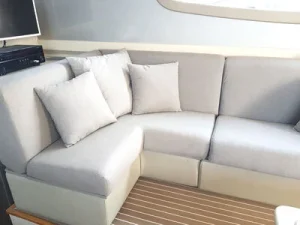
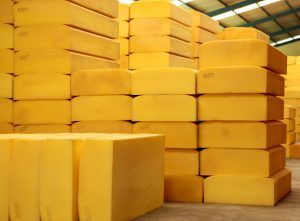
Portofolio Quickdryfoam


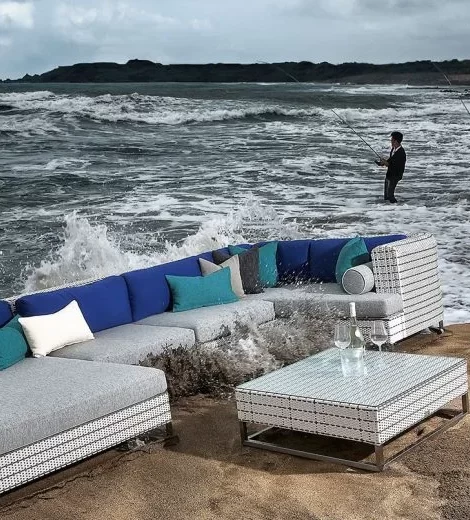


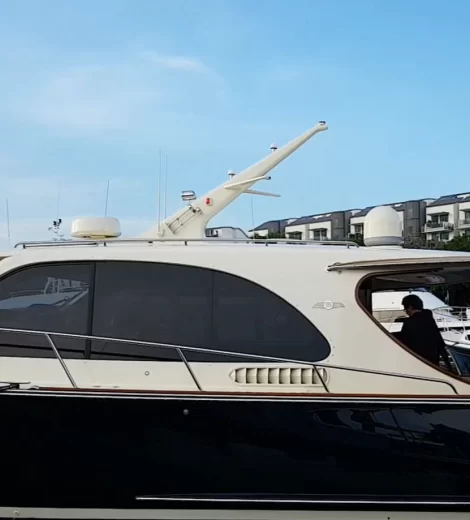
Why Marine Environments Demand Special Foam
Think about it for a second—your boat seats, deck cushions, and even mattresses are constantly exposed to elements that can quickly break down regular foam. Saltwater dries out most materials, UV rays cause rapid deterioration, and humidity encourages mold and mildew growth.
Using ordinary upholstery foam in these conditions would be like wearing paper shoes in a rainstorm—they won’t last a week. That’s why marine foam is engineered differently. It’s designed not only to stay comfortable but also to resist water, fight mold, and endure years of harsh exposure without losing its shape or structure.
Key Qualities of Durable Marine Foam
So, what makes marine foam stand out from regular foam? Let’s break down the unique qualities that give it the strength to survive in such harsh environments.
1. Water Resistance
Water is the number one enemy of ordinary foam, and once it gets inside, the foam becomes soggy, heavy, and prone to bacteria growth, which is why marine foam is designed to resist or quickly shed water instead of holding onto it. Some foams use a closed-cell structure that physically blocks water from penetrating, while others, like quick-dry foams, feature an open-cell structure that encourages drainage and airflow so the cushions dry rapidly.
2. UV Resistance
Out on the water, there’s no escaping the sun, and over time, ultraviolet rays can literally break down foam at a molecular level, turning it brittle, powdery, and useless. Marine foam, however, is formulated with UV inhibitors that shield it from the sun’s damaging rays, ensuring your cushions remain strong, springy, and supportive even after years of exposure.
3. Mold and Mildew Resistance
Moisture is unavoidable in marine settings, and where there’s moisture, mold and mildew usually follow, which is why durable marine foam often comes treated with anti-microbial agents. These treatments stop harmful microorganisms from colonizing the foam, keeping it fresh, safe, and odor-free, so you don’t have to deal with unpleasant smells or health risks.
4. Durability and Longevity
Finally, marine foam is built to last, and unlike cheap foam that quickly compresses and flattens out, high-quality marine-grade foam maintains its bounce, shape, and structure for years, even under constant use. This makes it a smarter long-term investment for boat owners who want lasting comfort without the hassle of frequent replacements.
Types of Foam for Marine Use
Different types of foam serve different purposes on a boat, and knowing which type works best for your specific application is the key to getting the most out of your investment.
Closed-cell foam is extremely durable because its sealed structure prevents water from soaking in, making it the go-to choice for flotation devices, protective padding, and any surface where water exposure is unavoidable. Since it doesn’t absorb water, it also stays lightweight and provides reliable buoyancy.
At first glance, open-cell foam doesn’t seem suited for wet environments, but specialized marine-grade open-cell foams, such as reticulated foam, are engineered with a wide, porous structure that allows both air and water to pass through. This design helps cushions dry quickly after getting wet, making them perfect for boat seating where comfort and drainage matter most.
Polyurethane is a versatile foam commonly used for indoor seating, but when adapted for marine applications, it is treated with moisture and UV-resistant coatings to withstand harsher conditions. It works well in partially covered areas, such as cabins, where it provides a balance of comfort and durability.
This dense, resilient foam is known for its shock-absorbing qualities and resistance to chemicals, making it useful for flotation, padding, and impact protection. Many boat owners rely on polyethylene foam for protective bumpers or padding around high-contact areas.
Often considered the best foam for marine cushions, quick-dry reticulated foam features large interconnected cells that promote both water drainage and rapid airflow. This unique structure prevents cushions from staying waterlogged and allows them to dry within hours, making them a favorite for boat seats and sun loungers.
Best Applications of Durable Marine Foam
Marine foam is highly versatile, and its usefulness extends across many areas of boating and marine design. For boat seats and deck cushions, quick-dry foam offers both comfort and practicality, since it allows water to escape easily while resisting mold growth. For sleeping areas in cabins, polyurethane foam provides excellent comfort and support, making long stays at sea more enjoyable. Meanwhile, closed-cell foams are perfect for flotation devices, safety padding, and protective bumpers because they resist water absorption completely. Even boat flooring can benefit from dense marine foam, which adds both comfort and slip resistance for passengers.
How to Maintain Marine Foam for Longevity
Even though marine foam is built tough, a little regular care can dramatically extend its lifespan and keep it performing at its best. After every trip, it’s smart to rinse your cushions with fresh water to wash away salt and prevent mineral buildup, because salt crystals can wear down protective coatings over time. Always allow your cushions to dry fully before storage, since trapped moisture, even in quick-dry foams, can encourage mildew if left unchecked. Whenever possible, cover your seating when not in use to shield it from harsh UV rays and unnecessary weather exposure. And finally, clean cushions with mild soap and water rather than harsh chemicals, since aggressive cleaners can damage the foam’s protective treatments. Think of it like caring for a well-made leather bag—you wouldn’t leave it soaking in the rain, and the same goes for your foam cushions.
Why Investing in Marine Foam is Worth It
Some boat owners hesitate to invest in marine-grade foam because of its higher upfront cost compared to standard upholstery foam, but in reality, it is one of the smartest investments you can make for your vessel. Cheap foam tends to absorb water, grow mold, and lose its shape within a single season, which means you’ll end up replacing it again and again, wasting both money and effort. Marine foam, on the other hand, is designed to last for five to ten years, offering superior comfort, durability, and resistance to harsh marine conditions. When you spread out the cost over its lifespan, it actually saves you money while ensuring that every day you spend on the water is more comfortable and stress-free.
Conclusion
In the end, choosing durable foam for marine environments is about making a smart investment that ensures comfort, safety, and longevity for your time on the water. Unlike standard foams, marine-grade foams are specifically engineered to resist saltwater, UV rays, mold, and mildew, while providing reliable support and comfort for years. Whether you’re upgrading your boat seats, installing a new mattress in the cabin, or adding flotation padding, the right foam makes a world of difference. By taking care of your foam and investing in quality materials from the start, you’ll spend less time worrying about soggy cushions and more time enjoying smooth, carefree days at sea.
FAQs About Durable Foam for Marine Environment
1. What type of foam is best for marine cushions?
Quick-dry reticulated foam is the top choice for marine cushions because its open-cell structure allows for rapid water drainage and airflow, preventing mold and mildew while keeping cushions comfortable.
2. Can I use regular upholstery foam for my boat seats?
It’s not recommended, as regular upholstery foam absorbs water, becomes heavy, and promotes mold growth, meaning it won’t last long in a marine environment.
3. How long does marine-grade foam last?
High-quality marine-grade foam typically lasts between five and ten years when properly maintained, making it a reliable long-term solution.
4. Does marine foam float?
Yes, closed-cell foams like polyethylene are buoyant, which makes them ideal for flotation devices and safety applications.
5. How do I clean marine foam cushions?
The best method is to wash them with mild soap and fresh water, then let them dry completely before reuse or storage, while avoiding harsh chemicals that could damage protective coatings.