


If you have ever invested in outdoor furniture, you already know how frustrating it can be to keep your cushions looking fresh and feeling comfortable after being exposed to unpredictable weather conditions, endless sunshine, sudden rain showers, or even the occasional splash from the pool. The good news is that durable polyurethane foam for all-weather cushions offers a practical solution that allows you to enjoy outdoor living without constantly worrying about your cushions losing their shape, comfort, or durability. This type of foam is specifically designed to provide a reliable combination of resilience, comfort, and long-lasting strength, which makes it an incredibly popular choice among homeowners who want outdoor furniture that feels just as comfortable as their indoor sofas but can stand up to the challenges of the great outdoors.

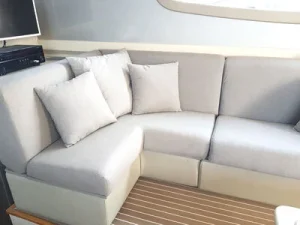
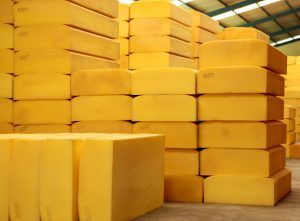
Portofolio Quickdryfoam

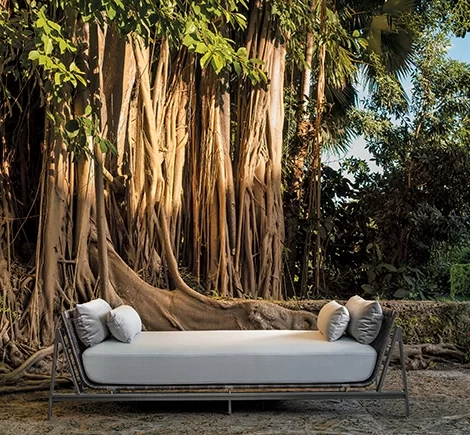
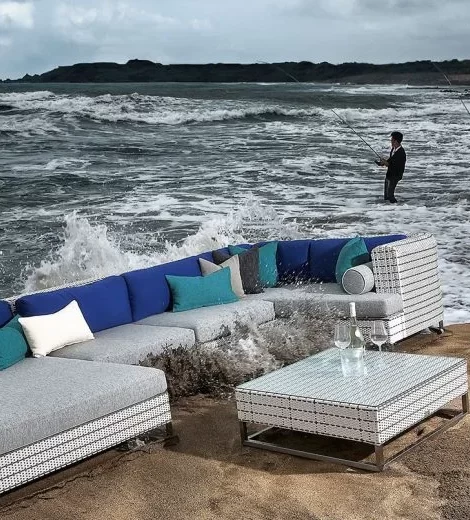



What Is Polyurethane Foam?
Polyurethane foam, more commonly known as PU foam, is a highly versatile material that has made its way into countless products we use daily, from mattresses and car seats to upholstered furniture and, of course, cushions. For outdoor cushions in particular, polyurethane foam is carefully engineered to deliver a perfect balance of firmness, comfort, and durability, giving you a soft surface to relax on while still providing the supportive structure you need to feel at ease. Unlike lower-quality foams that break down quickly or trap too much moisture, polyurethane foam is designed with a cell structure that not only promotes air circulation but also resists water absorption, which is a crucial feature for furniture that spends its entire life outdoors. Think of it as the “backbone” of your cushions—the part that holds everything together, keeps them springy and inviting, and ensures you don’t end up with flat, soggy pads after just one rainy season.
Why Choose Polyurethane Foam for All-Weather Cushions?
When you are spending money on outdoor furniture, you want cushions that won’t just look good in the beginning but will also hold up over time, no matter what the weather throws at them. That’s exactly where polyurethane foam shines, and here’s why it’s often considered the go-to material for all-weather seating solutions.
1. Long-Lasting Durability
Outdoor environments can be extremely harsh, with furniture exposed to blazing sunlight, sudden rain showers, and even salty air if you live near the coast. Standard foams often break down quickly, becoming brittle or flattening after a few months, but polyurethane foam is crafted to resist that type of wear and tear. It has an exceptional ability to retain its shape, firmness, and support for years, meaning that you can count on your cushions to look and feel comfortable long after cheaper alternatives would have given up.
2. Moisture Resistance
Although polyurethane foam is not entirely waterproof, it is significantly more resistant to moisture compared to many other foams. Its structure is designed in a way that helps it shed water more effectively, and many outdoor-grade variations are engineered to drain and dry quickly. This is incredibly important because trapped moisture often leads to unpleasant issues such as mold, mildew, or bad odors, which can ruin your cushions long before their time. With polyurethane foam, you get peace of mind knowing that your seating is better protected against these common outdoor problems.
3. Comfort That Lasts
One of the main concerns people have when choosing outdoor cushions is whether they will actually be comfortable to sit on, and this is another area where polyurethane foam excels. Instead of being overly stiff or too spongy, it offers a balanced level of softness and firmness that keeps you comfortable during long hours of lounging. Even after repeated use, the foam has the ability to bounce back and maintain its supportive feel, so you won’t find yourself sinking into a flat, uncomfortable cushion after just one season of use.
4. Versatility in Design
Polyurethane foam is incredibly adaptable, which makes it suitable for a wide range of cushion designs and furniture styles. Whether you want deep, plush cushions for your outdoor sectional, slim supportive pads for your dining chairs, or custom shapes for benches and loungers, polyurethane foam can be cut and tailored to fit your needs. When paired with high-quality, water-repellent fabrics, the result is a cushion that not only looks stylish but also performs reliably in all kinds of weather.
Types of Polyurethane Foam for Cushions
It’s important to understand that not all polyurethane foams are exactly the same, and the type you choose can make a difference in performance. Let’s break down the most common options you’ll come across.
High-Density Polyurethane Foam
High-density foam is the workhorse of cushion materials, offering excellent durability and firm support that holds up against frequent, heavy use. This makes it especially suitable for seating cushions where people sit daily, as it resists sagging and compression over time.
This variety features a breathable structure that allows both air and water to pass through easily. Because of its quick-drying nature, it is particularly popular for outdoor furniture that’s exposed to rain or humidity. Open-cell foam ensures your cushions don’t stay soggy after a storm, making it one of the top choices for patio furniture.
On the other end of the spectrum is closed-cell foam, which is much denser and more rigid. It resists water absorption extremely well, which makes it a go-to choice for marine environments or settings where cushions may come into constant contact with water. While it doesn’t provide the same plush comfort as open-cell or high-density varieties, it delivers unmatched protection against moisture damage.
How Does Polyurethane Foam Compare to Other Cushion Foams?
When shopping for outdoor cushions, you’ll likely come across several foam options, such as memory foam, latex foam, or quick-dry foam. Each has its strengths, but polyurethane often comes out ahead as the most practical option for everyday use.
- Memory Foam: While it’s great for mattresses due to its contouring ability, it is too soft and moisture-prone to perform well outdoors.
- Latex Foam: A natural alternative that feels comfortable and supportive, but it’s often more expensive and not as weather-resistant as polyurethane.
- Quick-Dry Foam: This is specially designed to handle wet environments, but it tends to be significantly more expensive, which can be a drawback if you need to replace multiple cushions.
Polyurethane foam strikes the perfect balance between affordability, comfort, and durability, making it the most popular choice for homeowners who want outdoor seating that feels good and lasts long without breaking the bank.
Tips for Maintaining Polyurethane Foam Cushions
Even though polyurethane foam is built to last, giving your cushions a little extra care can go a long way in extending their lifespan and keeping them looking fresh.
1. Use Weather-Resistant Covers
Pair your cushions with high-performance fabrics like Sunbrella or Olefin, which provide protection from UV rays, spills, and moisture. This combination drastically enhances durability and keeps cushions looking vibrant.
2. Store During Harsh Weather
While polyurethane foam is resilient, storing your cushions indoors during severe storms, heavy rain, or freezing winters can help prevent unnecessary wear. Think of it as giving your cushions a break so they can last longer.
3. Regular Cleaning
Dust, pollen, and outdoor debris can collect on your cushions, so make it a habit to vacuum or brush them regularly. If the covers are removable, wash them according to care instructions to maintain both appearance and hygiene.
4. Rotate Cushions
Just like flipping a mattress, rotating your cushions ensures even wear and prevents one side from flattening more quickly than the other. This small step helps keep them plump and inviting for years.
Why Homeowners Love Polyurethane Foam for Outdoor Living
Imagine sitting back in your favorite patio chair, feeling completely supported by a cushion that’s soft enough for comfort yet firm enough to prevent you from sinking in, all while knowing it’s tough enough to withstand summer storms, blazing heat, and humid nights. That peace of mind and consistency is what makes polyurethane foam such a favorite among homeowners. It’s not just a material—it’s a smart investment that transforms your outdoor space into a welcoming extension of your home.
Conclusion
At the end of the day, when you’re searching for cushions that can handle unpredictable weather while still offering comfort and durability, polyurethane foam stands out as the ultimate choice. It combines resilience, comfort, and affordability in a way that few other foams can match, giving you long-lasting value for your outdoor furniture. By choosing durable polyurethane foam for your all-weather cushions, you’re not just buying seating—you’re investing in peace of mind, knowing your outdoor space will stay stylish, comfortable, and ready for relaxation year after year.
FAQs
1. Is polyurethane foam waterproof?
No, polyurethane foam isn’t fully waterproof, but outdoor varieties are moisture-resistant and designed to dry quickly, which helps prevent mold and mildew.
2. How long can polyurethane foam cushions last outdoors?
With the right covers and basic maintenance, they can last anywhere from five to ten years, depending on climate and usage.
3. Can I cut polyurethane foam to make custom cushions?
Yes, polyurethane foam is very easy to cut and shape, which makes it perfect for DIY cushion projects where you want exact dimensions.
4. Will polyurethane foam get moldy if it gets wet?
If left constantly wet without proper ventilation, it can develop mold, but most outdoor-grade versions are designed to resist this problem when used correctly.
5. Is polyurethane foam environmentally friendly?
Traditional PU foam isn’t biodegradable, but newer eco-friendly options are available that use cleaner manufacturing processes and fewer chemicals.