


Foam for Garden Cushions – When you think about enjoying your garden or patio, it’s often the cushions that make the difference between a short sit and a long, relaxing afternoon outdoors. After all, nobody wants to spend time on stiff chairs or benches when you could be sinking into soft, supportive cushions that feel like an extension of your indoor comfort. What many people overlook, though, is that the true comfort of garden cushions doesn’t come from the colorful fabric covers you see—it comes from the foam inside that provides both support and softness. Choosing the right foam for garden cushions can completely transform your outdoor furniture experience, giving you comfort that lasts and cushions that resist sagging, mold, and the effects of harsh weather.

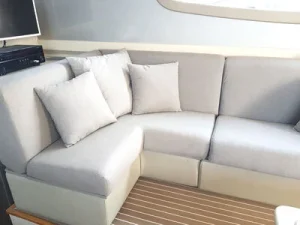
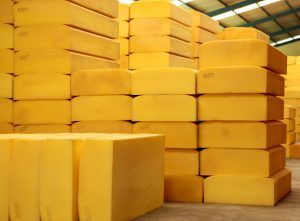
Portofolio Quickdryfoam

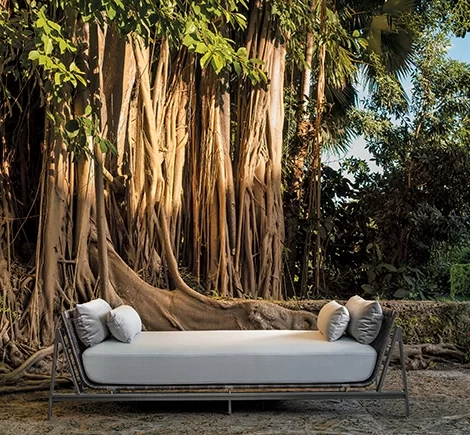




Why Foam Choice Matters for Garden Cushions
It’s easy to assume that any cushion will do the job, but when you consider the wear and tear that outdoor furniture faces, the importance of foam quality becomes clear. Outdoor cushions are exposed daily to sunlight, sudden rain showers, high humidity, and constant sitting or lounging, and without the right foam, you’ll quickly end up with cushions that are flat, damp, or even moldy. When you choose the right foam, however, you’re investing in more than just comfort—you’re investing in durability, weather resistance, and long-term value for your outdoor furniture. Cushions made with high-quality foam provide the balance of firmness and softness you need for relaxation, they retain their shape even after repeated use, and they resist the damaging effects of water and UV rays much better than cheaper alternatives.
Types of Foam for Garden Cushions
Not all foams are designed for the same purpose, and understanding the differences can save you from buying cushions that fail after one season. Let’s take a closer look at the most common options available.
Polyurethane foam is the most common and affordable option, often used in both indoor and outdoor cushions. While it offers decent comfort at first, the downside is that standard polyurethane absorbs water easily, which means it can become heavy, soggy, and prone to mildew if left outdoors without protection. Unless treated with a water-resistant coating, this foam is best used in areas where your garden furniture is sheltered, such as under a pergola, porch, or covered patio, rather than directly exposed to the elements.
For anyone who values both comfort and durability, high-density foam is an excellent choice because it holds its shape for years while still providing a supportive and comfortable sitting experience. Unlike cheaper, softer foams that flatten quickly, high-density foam remains resilient even after daily use, which makes it especially suitable for garden dining sets or lounge chairs that are frequently occupied. While some versions are not inherently water-resistant, many high-density foams can be paired with protective covers or treated to withstand outdoor conditions, making them a practical and reliable option.
3. Dry Fast Foam (Quick-Dry Foam)
If you live in a region where rain is frequent or humidity levels are high, dry fast foam—sometimes called quick-dry foam—is the gold standard for garden cushions. Designed with an open-cell structure, this type of foam allows water to flow straight through instead of absorbing it, which means your cushions dry quickly after a rain shower and remain fresh instead of turning into breeding grounds for mold and mildew. It’s a more expensive option, but the long-lasting performance and low-maintenance benefits make it well worth the investment for outdoor use.
Memory foam is known for its luxurious, body-contouring comfort, and while it’s perfect for indoor mattresses and pillows, it’s not the most practical option for outdoor garden cushions on its own. The main issues with memory foam are that it retains heat, holds onto moisture, and dries very slowly if it gets wet, which can quickly lead to odor and mildew outdoors. That being said, some people combine a thin layer of memory foam with quick-dry foam to create cushions that feel softer without compromising too much on durability and drainage.
How to Choose the Right Foam for Garden Cushions
Selecting the perfect foam may seem overwhelming at first, but when you break it down into a few key considerations, it becomes much easier to find the best option for your needs.
1. Consider Your Climate
The environment where you live should play a major role in your decision. For example, if you’re in a tropical or coastal area where rain and humidity are common, quick-dry foam is practically essential because it keeps your cushions from becoming waterlogged. On the other hand, if your climate is mostly dry with only occasional rain, you may be able to get away with high-density foam as long as it’s paired with water-resistant covers.
2. Think About Usage
How often you use your outdoor furniture also affects your choice. If your garden furniture is used daily for family meals, relaxation, or entertaining guests, you’ll want to invest in foam that’s highly durable, like high-density or quick-dry foam. However, if your outdoor seating only sees occasional weekend use, a less expensive option like polyurethane foam might work fine as long as you take care to store the cushions properly when they’re not in use.
3. Don’t Forget Thickness
Foam thickness is another critical factor that directly influences comfort. No matter how high-quality the foam is, cushions that are too thin will feel hard and unsupportive. As a general rule, seat cushions should be at least four inches thick to provide adequate comfort, while back cushions can be a little slimmer at two to three inches since they don’t need to support as much weight.
4. Pair Foam with Good Fabric
The foam inside your cushions does most of the work when it comes to comfort, but without the right fabric on the outside, your investment won’t last long. Weather-resistant fabrics like Sunbrella or Olefin are designed to protect the foam from UV rays, moisture, and everyday wear, creating a protective partnership between the inner core and the outer cover.
Tips to Extend the Life of Foam Cushions
Choosing the right foam is only half the battle; the way you care for your garden cushions is equally important. Storing cushions in a dry, sheltered location when not in use, such as a deck box or shed, helps protect them from the elements and prolongs their life. Using water-resistant cushion covers provides an extra shield against rain and UV rays, keeping the foam inside fresher for longer. Regular cleaning, including spot-cleaning spills and brushing away dust and pollen, prevents dirt from seeping into the foam and causing damage. Finally, rotating cushions occasionally ensures even wear, so that one side doesn’t flatten faster than the other.
Common Mistakes to Avoid When Choosing Foam
A lot of people waste money on outdoor cushions because they fall into some common traps. One of the biggest mistakes is buying the cheapest foam available, which might feel fine for the first few weeks but quickly flattens out, leaving your cushions lumpy and uncomfortable. Another mistake is ignoring climate conditions—for example, choosing standard polyurethane foam in a rainy area almost guarantees moldy, unusable cushions within months. Finally, some people overlook the importance of fabric covers, thinking foam alone is enough to handle outdoor weather, but without durable, water-resistant covers, even the best foam will deteriorate quickly.
Conclusion
When it comes down to it, the foam inside your garden cushions is the real secret to outdoor comfort, and making the right choice can save you both frustration and money over the years. Quick-dry foam stands out as the best option for wet or humid climates thanks to its excellent drainage, while high-density foam offers exceptional durability and support for frequent use. Pairing the right foam with quality weather-resistant fabric and practicing good cushion care ensures your outdoor seating will remain as comfortable and inviting as the day you bought it. So, the next time you sink into your garden chair and enjoy the sunshine, you’ll know that it’s the foam inside your cushions that’s working hard to give you that perfect blend of softness and support.
FAQs
1. What is the best foam for garden cushions in rainy climates?
Quick-dry foam is the best choice for rainy or humid climates because its open-cell structure allows water to pass through, preventing mold and mildew.
2. How thick should garden cushion foam be for maximum comfort?
For seat cushions, four inches of foam is recommended for comfort and support, while back cushions typically only need two to three inches of thickness.
3. Can memory foam be used for outdoor garden cushions?
Memory foam can be used, but it’s not ideal on its own. It’s best when combined with quick-dry foam and protected by weather-resistant covers.
4. How do I stop my outdoor cushions from going flat too quickly?
Using high-density foam, rotating cushions regularly, and keeping them out of harsh weather will help them maintain their shape and comfort for much longer.
5. Is polyurethane foam suitable for outdoor cushions?
Standard polyurethane foam isn’t ideal for outdoor use because it absorbs water easily, but it can work in covered outdoor spaces where exposure to rain is limited.