


When it comes to outdoor comfort, seating pads can make or break your experience. Have you ever sat down on a cushion that flattened after just a few uses? Or maybe you’ve noticed how quickly some outdoor cushions lose their shape, becoming more decorative than functional. The secret to avoiding these problems lies in high density foam—a material designed to combine comfort, durability, and support in one simple solution.
In this guide, we’ll break down why high density foam is the best choice for outdoor seating pads, how it performs in different conditions, and what you should consider before making your purchase.

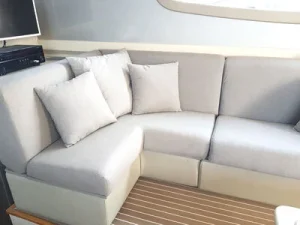
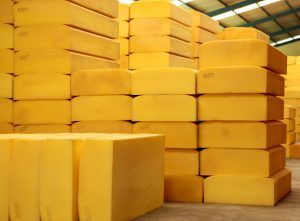
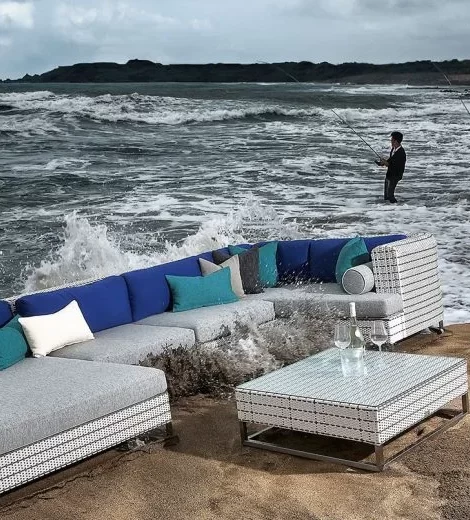
Portofolio Quickdryfoam



What is High Density Foam?
High density foam is a type of polyurethane foam that’s made with a tighter cellular structure. Simply put, the foam has more material packed into the same space compared to regular foam. This gives it superior strength, resilience, and the ability to spring back after being compressed.
Think of it this way: low-density foam is like a cheap sponge that wears out quickly, while high density foam is more like memory foam that holds its shape and resists wear. When used in outdoor seating pads, it offers the perfect balance of comfort and longevity.
Why Use High Density Foam for Outdoor Seating Pads?
Outdoor seating pads face challenges that indoor cushions rarely experience, since they are constantly exposed to sunlight, moisture, varying temperatures, and repeated use, making the quality of the foam inside the cushion absolutely critical if you want them to last.
1. Superior Comfort
One of the main reasons people choose high density foam is because of the unparalleled comfort it offers, as it strikes the perfect balance between firmness and softness, providing support that adapts to your body without collapsing under pressure. Imagine relaxing on your patio with a cushion that feels just as plush and supportive as your favorite living room sofa—high density foam makes that possible by ensuring that each sit feels stable, cozy, and consistent, even after months or years of use.
2. Durability That Lasts
Unlike standard foam that tends to sag and lose its shape after a single season, high density foam is built to last for years, making it not only a practical option but also a smart investment in the long run. Instead of replacing flattened cushions every summer, you can count on high density foam to maintain its structure and performance, saving you time, effort, and money while also keeping your outdoor furniture looking fresh and inviting year after year.
3. Excellent Weather Resistance
While not every type of high density foam is fully waterproof, many are designed to resist moisture and can be paired with quick-dry technology or water-resistant covers, allowing them to withstand rain, humidity, and even accidental spills. Some versions, like quick-dry high density foam, let water flow through the cells instead of being absorbed, meaning they dry much faster and reduce the risk of mold and mildew—two of the biggest enemies of outdoor cushions.
4. Enhanced Aesthetic Appeal
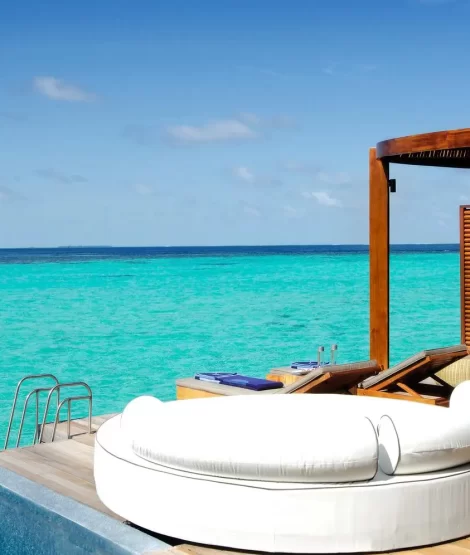
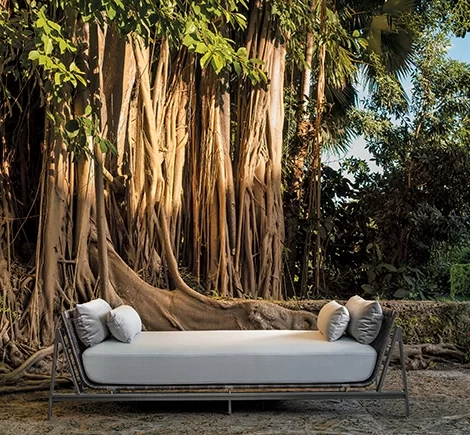
Another major advantage of high density foam is the way it helps cushions look fuller, neater, and more structured, ensuring that your seating pads don’t just feel good but also maintain a polished, tailored appearance that enhances the style of your outdoor furniture. Instead of sagging, wrinkled cushions that look worn out, you’ll enjoy seating pads that hold their shape and continue to look as good as new, giving your outdoor space that “resort-like” vibe.
Types of High Density Foam for Outdoor Seating Pads
Not all high density foam is created the same, and depending on your outdoor setup, climate, and personal comfort preferences, you may want to choose a specific type of foam that best suits your needs.
This is the basic version of high density foam that offers excellent support and long-lasting durability, making it a great choice for seating pads used in partially sheltered outdoor areas such as screened porches, patios with covers, or shaded decks.
2. Quick-Dry High Density Foam
Designed with an open-cell structure, this foam allows water to pass through rather than being absorbed, which means it dries significantly faster than traditional foams, making it ideal for outdoor furniture exposed to rain or poolside splashes.
As the premium option, reticulated foam features a unique cell structure that maximizes both airflow and drainage, making it resistant to moisture, mildew, and bacteria. Though it tends to be more expensive, it is worth the investment if you want the ultimate in outdoor performance, especially for environments with heavy rain or constant water exposure.
How to Choose the Right High Density Foam for Outdoor Pads
Selecting the right foam goes beyond simply choosing “high density,” because several factors—such as thickness, firmness, and cover materials—affect the overall comfort and longevity of your seating pads.
1. Thickness Matters
Generally, the thicker the foam, the more comfort and support it provides, with 2–4 inches being ideal for standard outdoor chairs, while loungers or daybeds may require 4–6 inches for a truly luxurious feel.
2. Density Ratings
Foam density is measured in pounds per cubic foot (PCF), with high density foam typically ranging from 1.8 to 2.8 PCF or higher, meaning the foam is denser, more durable, and better equipped to withstand heavy use without collapsing.
3. Firmness Levels
Firmness, measured by indentation load deflection (ILD), is different from density, and for outdoor seating pads, a medium to firm ILD rating is generally recommended, as it ensures the cushion feels supportive while still being comfortable for long periods of sitting.
4. Cover Material
Even the best foam will wear down faster if it’s not properly protected, which is why pairing high density foam with outdoor-grade covers made from UV- and water-resistant fabrics like Sunbrella is essential for long-term performance.
Maintaining High Density Foam Outdoor Seating Pads
While high density foam is built to withstand the elements, a little regular care can make a huge difference in extending the life of your cushions and keeping them in peak condition.
You can protect your investment by using weatherproof covers when not in use, allowing wet cushions to air dry thoroughly before storage, cleaning covers regularly to prevent dirt and debris from breaking down the foam, and flipping or rotating cushions occasionally to ensure even wear across the surface.
Benefits of High Density Foam vs. Regular Foam
When you compare high density foam with regular foam, the differences become crystal clear: high density foam lasts significantly longer, offers superior support, resists sagging, and keeps its shape even under constant use, while regular foam is cheaper but compresses quickly, absorbs water easily, and often becomes useless after just one or two seasons outdoors.
Conclusion
If you’re serious about creating outdoor seating that feels as inviting as your indoor furniture and lasts season after season, then high density foam for outdoor seating pads is the way to go. Not only does it deliver exceptional comfort and support, but it also helps your cushions resist weather damage, stay stylish, and remain a reliable part of your outdoor lifestyle for years to come. So instead of settling for cushions that collapse, flatten, or wear out after a single summer, invest in high density foam and enjoy the peace of mind that comes with knowing your outdoor space will stay both comfortable and beautiful for the long haul.
FAQs About high density foam for outdoor seating pads
1. Is high density foam waterproof?
Not all high density foam is waterproof, but quick-dry and reticulated versions are designed to let water pass through easily, reducing the risk of mold and mildew in outdoor settings.
2. How long does high density foam last outdoors?
With proper maintenance, high density foam cushions can easily last 5–10 years, depending on how much exposure they get to sun, rain, and heavy use.
3. Can I replace the foam in my existing outdoor cushions?
Absolutely—you can replace old, sagging foam with custom-cut high density foam inserts, instantly restoring the comfort and look of your outdoor cushions.
4. What’s the best foam for poolside furniture?
Quick-dry high density foam or reticulated foam is the top choice for poolside furniture, as both are designed to handle water exposure without trapping moisture.
5. Does high density foam get softer over time?
Yes, high density foam will gradually soften with use, but it maintains its structure and support far longer than low-density alternatives, making it a reliable choice for years of outdoor comfort.