


When you’re spending time out on the water, whether it’s for fishing, relaxing, or entertaining friends and family, the last thing you want is to sit on cushions that feel flat, soggy, or uncomfortable. Boat cushions might seem like a small detail compared to engines, electronics, or sails, but in reality, they play a huge role in your boating experience because they directly impact your comfort, durability of your seating, and even the overall style of your boat. Choosing the right foam for boat cushions is not just about softness; it’s about finding a balance between comfort, water resistance, durability, and longevity, all while making sure your cushions can withstand the tough conditions that come with life at sea.

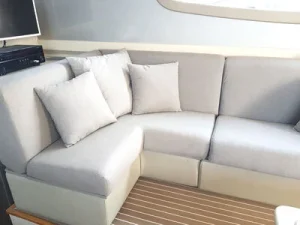
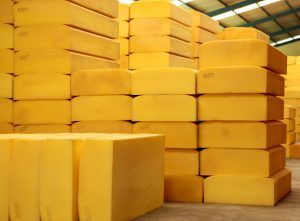
Portofolio Quickdryfoam




Why Foam Selection Matters for Boat Cushions
Selecting the right foam is more important than many boat owners initially realize, because the foam acts as the hidden foundation of your seating. Just like a house built on weak ground will eventually sink, a cushion built on poor-quality foam will quickly lose its shape, absorb too much water, and break down far earlier than it should. If you’ve ever had the experience of sitting on a cushion that feels lumpy, damp, or saggy, you already know how much this can ruin your day on the water. On the other hand, when you choose the correct foam, you’ll enjoy seats that stay firm and supportive, dry quickly after exposure to water, and remain comfortable even after years of use. In the world of boating, where sun, salt, and constant moisture are your daily challenges, choosing the right foam can truly make all the difference between frustration and relaxation.
Types of Foam for Boat Cushions
The market is full of different foams, and while they may look similar on the surface, each type comes with unique strengths and weaknesses. Knowing which type best suits your specific needs will save you money, effort, and plenty of headaches in the long run.
Open-cell foam is lightweight, breathable, and soft, which makes it extremely comfortable to sit on. However, its open structure also means that it readily absorbs water like a sponge, holding onto moisture and creating the perfect environment for mold and mildew to grow. This is why open-cell foam is generally not recommended for marine use unless it has been specially treated with coatings that repel moisture. While it might be fine for indoor cabin cushions that rarely get wet, it’s a poor choice for exposed seating on deck.
Closed-cell foam, in contrast, has a denser structure that prevents water from seeping in. Because it resists moisture, it’s an excellent choice for flotation devices, sun pads, or any cushions that are likely to be splashed or exposed to rain. The downside is that closed-cell foam tends to feel firmer and less comfortable compared to other types, especially during long periods of sitting. Still, for areas where water exposure is a constant problem, this foam’s durability and resistance make it a smart investment.
3. Dry Fast Foam (Reticulated Foam)
If you’re looking for the best all-around option for marine cushions, dry fast foam—also called reticulated foam—is the clear winner. This specialized foam is designed with an open structure that allows water to drain straight through while air circulates freely, meaning it dries incredibly quickly after being exposed to moisture. Because of this, it resists mold and mildew, while still offering the comfort and support that boaters want. Yes, it comes at a higher price point compared to other foams, but the combination of comfort, quick-drying performance, and durability makes it the top choice for outdoor boat cushions that will stand the test of time.
Polyurethane foam is one of the most common foams used for indoor cushions because it’s affordable and easy to find. However, when it comes to marine conditions, it doesn’t hold up well. This foam tends to break down quickly if exposed to constant moisture, so if you’re considering it for boat cushions, it should only be used for indoor areas such as cabins or sleeping berths where the chances of water contact are minimal. For outdoor seating, it’s best to avoid polyurethane foam altogether.
Choosing the Right Foam Density
One of the most misunderstood aspects of foam is density. Many people assume density refers to how soft or firm the foam feels, but in reality, it measures the weight of the foam per cubic foot. Foam with a higher density is stronger and more durable, while low-density foam wears out more quickly.
- Low-Density Foam (1–2 lbs/cu ft): This is the cheapest option, but it tends to compress and lose shape very quickly under frequent use.
- Medium-Density Foam (2–3 lbs/cu ft): A good middle ground that offers a balance of comfort and durability, making it ideal for cabin seating or areas with moderate use.
- High-Density Foam (3–6 lbs/cu ft): The most durable and supportive option, perfect for outdoor seating areas where cushions are exposed to heavy use, sun, and moisture.
For most marine applications, medium to high-density foam is the smart choice because it ensures that your cushions will not only feel supportive but also withstand years of wear and tear in challenging conditions.
Factors to Consider Before Buying Foam
Picking the right foam isn’t just about type and density—there are several other key factors that can make or break your cushions’ performance.
1. Water Resistance
Since your boat cushions will almost certainly be exposed to water, you’ll want foam that resists holding moisture. Dry fast foam is designed specifically for this purpose and remains one of the best options on the market.
2. UV Resistance
Constant sun exposure can cause foam to degrade, lose its shape, and crumble. Look for foams that are UV-stabilized, or pair your foam with covers that block UV rays to ensure long-lasting performance.
3. Comfort vs. Firmness
It’s important to decide whether you want plush, lounge-style comfort or firmer, supportive cushions for long-term sitting. Testing out different foam densities before buying can help you find the right balance for your needs.
4. Budget
Marine-grade foams can be more expensive than standard options, but they save you money in the long run by lasting much longer. Cheaper foams may feel good at first, but replacing them every couple of seasons ends up costing more over time.
Maintenance Tips for Boat Cushions
Even the highest-quality foam won’t perform well without proper care. To extend the life of your boat cushions, always use breathable, water-resistant covers that allow moisture to escape while still protecting the foam. After exposure to saltwater, rinse the cushions with fresh water to prevent salt buildup. Always let your cushions dry completely before storing them to reduce the risk of mold and mildew, and during the off-season, store them indoors in a cool, dry place to preserve their structure and comfort.
Mistakes to Avoid When Choosing Foam
A lot of boaters make the same mistakes when selecting foam, and these missteps usually lead to wasted money and disappointment. One of the most common mistakes is choosing indoor foam for outdoor use, which almost guarantees soggy, worn-out cushions in no time. Another mistake is focusing only on how soft the foam feels at first, instead of considering long-term durability and drainage. Ignoring proper protective covers or choosing foam that lacks UV resistance are other errors that shorten the lifespan of your cushions. Think of it like wearing sneakers in the rain—they may feel comfortable, but they’re simply not made for the environment.
Conclusion : How to choose foam for boat cushions
Choosing foam for boat cushions may seem like a minor detail in the big picture of boat ownership, but it can have a huge impact on both your comfort and the lifespan of your seating. By understanding the different types of foam, paying attention to density, and factoring in marine-specific needs like water and UV resistance, you can make an informed choice that ensures your cushions remain supportive, dry, and durable for many seasons to come. Whether you decide on budget-friendly closed-cell foam or invest in high-performance dry fast foam, the goal is the same: creating a comfortable, reliable seating experience that makes your time on the water truly enjoyable.
FAQs About How to choose foam for boat cushions
1. What is the best foam for outdoor boat cushions?
Dry fast foam, also known as reticulated foam, is the best option because it drains quickly, resists mold growth, and stands up to constant exposure to water and sun.
2. How thick should boat cushion foam be?
Most boat cushions work best at a thickness of 3–6 inches, depending on whether they are used for lounging, sleeping, or seating.
3. Can I use memory foam for boat cushions?
Memory foam is not ideal for boats because it absorbs and retains moisture. If you want the added comfort of memory foam, consider layering it over marine-grade foam inside a protective, waterproof cover.
4. How long does marine foam usually last?
High-quality marine-grade foam can last anywhere from 7 to 10 years if properly maintained, while cheaper indoor foams may break down in as little as 2–3 years.
5. Do I always need to replace the foam, or can I just replace the covers?
If your cushions are sagging, waterlogged, or have developed mold, then simply replacing the covers won’t help—you’ll need to replace the foam itself to restore comfort and durability.