


Mold and Mildew Resistant Foam for Garden Furniture Cushions – If you love spending your mornings sipping coffee on the patio, hosting family barbecues in the backyard, or simply relaxing on your garden furniture after a long day, then you already know how important comfortable and clean cushions are to your outdoor experience. Unfortunately, there is one issue that almost every homeowner faces when it comes to garden furniture cushions, and that is the unpleasant presence of mold and mildew. One moment your cushions look fresh, colorful, and inviting, and the next, they are damp, musty, and covered in unsightly black or green spots that are not only unpleasant to look at but also unhealthy to sit on. The truth is that outdoor cushions live in an environment where moisture, humidity, and weather fluctuations are constant, making them the perfect breeding ground for mold and mildew growth. The good news is that there is a solution that can save your furniture, your comfort, and your health—mold and mildew resistant foam. This type of foam is specifically designed to keep your cushions fresh, dry, and long-lasting, even in the toughest outdoor conditions.

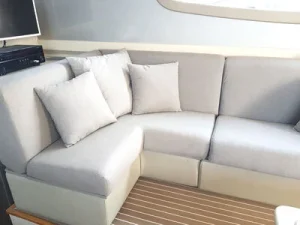
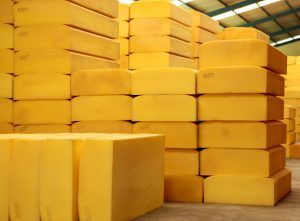
Portofolio Quickdryfoam






Why Mold and Mildew Are a Problem for Outdoor Cushions
Mold and mildew are more than just surface-level problems that make cushions look dirty; they are living fungi that thrive in damp, warm, and poorly ventilated environments, which perfectly describes what happens to traditional cushion foam when it is exposed to rain, morning dew, spilled drinks, or even high humidity levels. Once moisture seeps inside standard foam, it tends to stay trapped for days, creating a dark and wet environment that allows spores to multiply quickly. The result is a cushion that not only looks unappealing with dark stains but also smells musty, feels damp to the touch, and can even trigger allergies or respiratory discomfort for people sitting on it. Think of it this way: just as bread left out in a humid kitchen quickly grows mold spots, cushions left outdoors with ordinary foam become an open invitation for mold and mildew. And let’s be honest, nobody wants to sit on a cushion that feels damp and smells bad, no matter how beautiful the garden furniture itself looks.
What Is Mold and Mildew Resistant Foam?
Mold and mildew resistant foam, sometimes referred to as quick-dry foam or reticulated foam, is a special type of foam designed with outdoor use in mind. Unlike standard foam that has a closed structure and traps water inside, this foam features an open-cell design that allows both water and air to flow freely through it. This simple but clever structure means that when your cushions are exposed to rain or splashes, the water doesn’t stay trapped inside, but instead drains out quickly, while the air circulation helps the foam dry in a fraction of the time it would take traditional foam to dry. By eliminating moisture buildup, mold and mildew resistant foam essentially takes away the one thing fungi need most to grow—water. This innovative foam doesn’t just prevent mold and mildew, but it also helps extend the lifespan of your cushions, keeps them comfortable to use, and saves you the hassle of constantly replacing or cleaning them.
Key Benefits of Mold and Mildew Resistant Foam
1. Long-Lasting Freshness
One of the biggest frustrations of outdoor furniture is how quickly cushions lose their freshness, but with resistant foam, you can enjoy seating that smells clean and inviting even after heavy rain or high humidity. Since this foam doesn’t hold onto water, mold spores don’t get the chance to develop, meaning you won’t have to deal with unpleasant odors or unsightly stains that often ruin the look and feel of garden furniture.
2. Quick-Drying Convenience
We’ve all experienced the frustration of waiting days for cushions to dry out after a downpour, which often forces you to keep your outdoor space off-limits. With quick-dry foam, you don’t have to put your outdoor plans on hold because this material allows water to drain out almost instantly and encourages airflow for rapid drying. This means your seating will be ready for use in hours rather than days, saving both time and effort while also keeping your furniture functional whenever you need it.
3. Enhanced Comfort
Many people worry that choosing a more practical foam means sacrificing comfort, but that couldn’t be further from the truth. Mold and mildew resistant foam is designed to feel just as soft, supportive, and cozy as indoor foam, making it perfect for lounging, napping, or enjoying long conversations outdoors. In other words, you don’t have to give up comfort for durability—you can truly have both.
4. Increased Durability
Standard foam tends to deteriorate quickly when exposed to constant moisture, leading to sagging, flattening, and even crumbling over time. Resistant foam, however, is built to handle outdoor environments, which means it holds its shape longer, resists breakdown, and ensures your cushions last for years without losing their supportive structure. By investing in this type of foam, you’re essentially protecting both your cushions and your wallet, since you won’t need to replace them as frequently.
5. Healthier Outdoor Living
Mold and mildew don’t just damage cushions—they can negatively impact your health, particularly if you or your family members suffer from allergies, asthma, or respiratory sensitivities. By using mold and mildew resistant foam, you’re creating a safer outdoor environment where you can breathe easier, relax more comfortably, and entertain guests without worrying about hidden allergens in your seating.
Types of Mold and Mildew Resistant Foam for Cushions
While the term “mold-resistant foam” covers a range of options, it’s important to understand the main types available so you can pick the one that suits your specific needs best.
This foam is one of the most popular choices for garden furniture cushions because of its highly porous, open-cell structure that allows both water and air to move through freely. It’s especially ideal for rainy or humid climates where cushions are often exposed to wet conditions.
Closed-cell foam has a dense structure that doesn’t allow water to penetrate, making it water-resistant and buoyant. This type of foam is more commonly used for marine cushions, poolside loungers, or areas near water features where cushions are likely to get splashed or submerged.
Polyurethane Foam with Antimicrobial Treatment
Some manufacturers offer polyurethane foam that’s been treated with antimicrobial solutions, which provide an added layer of defense against mold, mildew, and bacteria. While it isn’t as breathable as reticulated foam, it’s still a good option if you want extra protection combined with comfort.
How to Choose the Best Foam for Your Garden Furniture Cushions
When choosing the right foam for your outdoor cushions, there are a few factors to consider. First, think about your climate: if you live in an area with frequent rain or high humidity, reticulated quick-dry foam is the smartest option, while if your cushions are going near a pool, closed-cell foam may be a better fit. Second, consider how you use your furniture: loungers for sunbathing may need softer foam, while dining chairs may require firmer support. Third, keep in mind your budget, because although resistant foams are more expensive than standard foam, they last much longer and save you money in the long run. And lastly, always think about comfort—choose a thickness and density that feels good to sit on, since durability won’t matter if the cushions aren’t enjoyable to use.
Tips for Maintaining Mold and Mildew Resistant Cushions
Even though mold and mildew resistant foam does most of the hard work for you, it’s still important to give your cushions a little care to keep them looking and performing at their best. Always pair your foam with breathable, water-resistant cushion covers to add a protective layer against dirt, UV rays, and stains. Whenever your cushions get wet, give them a quick shake to help water drain faster, and if you won’t be using them for a while, store them in a dry, shaded area. It’s also smart to clean your cushion covers regularly to remove dirt and oils, since even mold-resistant foam can benefit from a clean, dry environment. These small habits will make your cushions last even longer.
Why Resistant Foam Is Worth the Investment
At first glance, mold and mildew resistant foam might seem more expensive than regular foam, but when you consider the constant frustration of cleaning mold, replacing smelly cushions, or dealing with uncomfortable seating, the investment quickly proves itself worthwhile. Think of it like buying a good pair of waterproof boots—you might spend more upfront, but every rainy day you stay dry makes you glad you invested in quality. Resistant foam gives you peace of mind, longer cushion life, healthier outdoor living, and year-round comfort, which makes it an upgrade that pays for itself many times over.
Conclusion
Mold and mildew resistant foam for garden furniture cushions is not just a luxury but a practical necessity if you want your outdoor living space to remain beautiful, comfortable, and healthy. By investing in foam that resists moisture, dries quickly, and provides long-lasting durability, you protect your furniture from the common problems that ruin outdoor cushions and create an inviting atmosphere that you, your family, and your guests can enjoy every single day. Instead of worrying about dampness, odors, and constant replacements, you can finally focus on what your garden furniture was meant for—relaxation, comfort, and happy outdoor moments.
FAQs About Mold and Mildew Resistant Foam for Garden Furniture Cushions
1. Can I replace the foam in my old outdoor cushions with mold-resistant foam?
Yes, you can! Many foam suppliers and upholstery shops offer custom-cut services, so you can replace the foam inside your existing covers with mold and mildew resistant options for a simple upgrade.
2. How long does mold and mildew resistant foam last?
With proper care and maintenance, this type of foam can easily last 5 to 10 years or more, which is significantly longer than traditional foam that tends to deteriorate quickly when exposed to moisture.
3. Do I still need cushion covers if the foam is mold-resistant?
Yes, cushion covers are still important because they provide additional protection against dirt, UV damage, and stains, while also making your cushions easier to clean and more visually appealing.
4. Is mold-resistant foam safe for people with allergies?
Absolutely. Since it resists the growth of mold and mildew, it reduces exposure to allergens that can trigger asthma, respiratory irritation, or allergic reactions, making it a healthier choice overall.
5. Can mold-resistant foam be used indoors?
Yes, while it is designed primarily for outdoor use, mold-resistant foam can also be used indoors, especially in damp environments such as basements, sunrooms, or bathrooms where mold and mildew are more likely to form.