


Replacement Foam for Outdoor Cushions – If you’ve noticed that your once-comfy outdoor cushions are now feeling flat, saggy, or just not as supportive as they used to be, then it’s probably a sign that the foam inside has reached the end of its lifespan. While many people assume the only solution is to purchase brand-new cushions, that can often be an expensive and unnecessary option. Instead, one of the most practical and budget-friendly choices is to simply replace the foam inserts. By doing this, you can instantly bring your cushions back to life, restore comfort and support, and extend the lifespan of your existing covers without breaking the bank. Think of it as giving your outdoor seating a makeover without the high price tag.

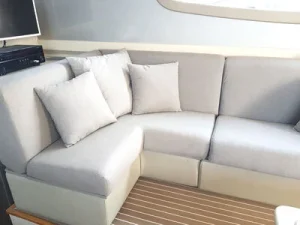
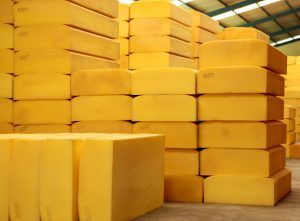
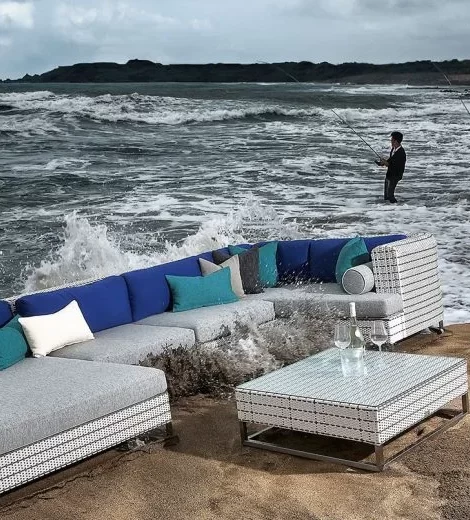
Portofolio Quickdryfoam



Why Replace Foam Instead of Buying New Cushions?
Outdoor cushions can be pricey, especially if you’ve invested in high-quality fabrics like Sunbrella or custom designs that perfectly match your patio furniture. Over time, though, it’s usually not the covers that wear out—it’s the foam inside that begins to lose shape, flatten, or hold onto moisture. Replacing only the foam allows you to preserve the covers you already love while avoiding the cost of buying an entirely new set. It’s a bit like maintaining a car: you don’t replace the entire vehicle when the tires wear down, you just change the part that takes the most daily impact. In the same way, refreshing your cushion foam gives you all the benefits of “new” seating without unnecessary waste or expense.
Types of Foam for Outdoor Cushions
When it comes to outdoor furniture, not all foam materials are created equal. The type of foam you choose can make a big difference in how comfortable your seating feels, how well it stands up to different weather conditions, and how long it lasts. Below are some of the most popular types of foam used for outdoor cushions, along with the pros and cons of each.
Polyurethane foam is one of the most common and affordable options on the market, which makes it a popular choice for people who want a quick fix without spending too much money. However, this type of foam is better suited for mild climates or covered outdoor spaces because it does not handle water exposure very well. If polyurethane foam gets wet, it tends to absorb and retain moisture, which means it can take days to dry out and may even develop mold or mildew if not properly cared for. While it works well for short-term use or budget projects, it is not the best choice for anyone living in a rainy or humid environment.
Polyethylene foam, on the other hand, is much more durable and resistant to outdoor conditions. This type of foam is firm yet lightweight, making it a good option for cushions that need to maintain their shape over time. It is naturally resistant to mold and mildew, which makes it a much better choice for outdoor applications compared to polyurethane foam. While it doesn’t provide the softest or plushest seating experience, it is incredibly resilient and works well for situations where durability and resistance to moisture are more important than luxury comfort.
3. Dry Fast Foam (Quick-Dry Foam)
If you’re looking for the gold standard in outdoor foam, then dry fast foam—also known as quick-dry foam—is the winner by far. This high-performance foam is specifically engineered with an open-cell structure that allows water to pass through quickly rather than being absorbed. Because of this design, the foam dries within a few hours instead of days, which is ideal for anyone living in a rainy climate or a place with high humidity. Beyond drying fast, this foam also allows for superior airflow, which keeps cushions fresh and helps prevent the growth of mold, bacteria, and unpleasant odors. While it does cost more than standard foams, the long-term comfort and durability make it well worth the investment.
4. Memory Foam (for Luxury Cushions)
Memory foam isn’t typically used alone in outdoor settings, but when paired with quick-dry foam layers, it can add a touch of luxury to your cushions. Known for its ability to conform to your body and provide excellent support, memory foam makes outdoor seating feel more like an indoor lounge experience. The downside, however, is that memory foam retains moisture more easily than quick-dry foam, so it needs protection or layering to avoid mold issues. If comfort is your top priority and you don’t mind a little extra maintenance, this combination can make your outdoor seating feel like a five-star resort.
How to Choose the Right Foam Density
The density of the foam you select is just as important as the type of foam itself because density determines not only comfort but also how long the foam will last before breaking down. A cushion that’s too soft will quickly flatten and lose its support, while one that’s too firm will feel uncomfortable to sit on for long periods of time.
Here’s a simple guide to help you decide:
- 1.5–1.8 lb density: This density is on the lower end, making it soft and affordable, but it also means the foam will wear out more quickly. It’s fine for occasional use but not ideal for daily seating.
- 2.0–2.5 lb density: This range is often considered the sweet spot for outdoor cushions. It offers a balance of comfort, support, and durability without being overly expensive.
- 3.0 lb+ density: High-density foam is a premium option that provides superior comfort and long-lasting performance. While it costs more upfront, it will last significantly longer, which can save you money in the long run.
Think of foam density like the mattress you sleep on: if it’s too soft, you sink in and wake up sore, but if it’s too hard, you can’t get comfortable. The right density makes all the difference for a pleasant seating experience.
Steps to Replace Foam in Outdoor Cushions
Swapping out old foam for new inserts may sound complicated, but it’s actually a straightforward DIY project that you can do at home with just a few tools and a little patience.
Step 1: Measure Your Cushions
Start by unzipping the cushion cover and removing the old foam insert. Use a tape measure to carefully record the length, width, and thickness of the cushion. For the best fit, add about half an inch to your measurements so the foam fills the cover snugly without sagging.
Step 2: Choose the Right Foam
Decide which type of foam works best for your climate, comfort needs, and budget. Quick-dry foam is ideal for wet environments, while polyethylene is great for firm, durable seating.
Step 3: Cut the Foam
If you purchased foam blocks larger than your measurements, you’ll need to trim them down. An electric carving knife works best for smooth, straight cuts, but a serrated bread knife will also do the job. To avoid mistakes, mark your measurements on the foam before cutting.
Step 4: Insert the Foam
Carefully fold the foam slightly to slide it into the cushion cover. If the fit is snug, this may take a little effort, but a snug fit ensures the cushion looks smooth and full once zipped up.
Step 5: Zip It Up and Fluff
Once the foam is inside, zip up the cover, adjust the corners, and give the cushion a few firm pats to help it settle into place. You’ll instantly notice how much fresher and more supportive your cushion feels.
Tips to Extend the Life of Outdoor Cushion Foam
Replacing foam is a great start, but if you want your cushions to last for years, a little extra care goes a long way. Always store your cushions indoors or in a deck box when not in use, especially during heavy rain or extreme weather. Choose covers made from durable outdoor fabrics such as Sunbrella, which offer excellent resistance to UV rays and moisture. After rain, shake out and air-dry your cushions to prevent trapped moisture, and rotate them occasionally to distribute wear evenly. Small habits like these can extend the lifespan of your foam significantly.
Conclusion
At the end of the day, replacing foam for outdoor cushions is one of the simplest yet most effective ways to rejuvenate your patio furniture without spending a fortune. By choosing the right type of foam, paying attention to density, and giving your cushions a little extra care, you can enjoy long-lasting comfort and keep your outdoor space looking inviting year after year. Think of it as giving your furniture a second life—one that combines affordability, sustainability, and style.
FAQs About Replacement Foam for Outdoor Cushions
1. What type of foam is best for outdoor cushions?
Dry fast foam is the top choice because it dries quickly, resists mold, and maintains comfort for years, making it the most reliable option for outdoor use.
2. How thick should outdoor cushion foam be?
Most outdoor cushions range between 3 to 6 inches thick, with thicker options offering more comfort and thinner ones working better for benches or decorative seating.
3. Can I use indoor foam for outdoor cushions?
It’s not recommended because indoor foam retains moisture, which can lead to mold, mildew, and unpleasant odors when exposed to outdoor elements.
4. How long does outdoor cushion foam last?
High-quality outdoor foam, especially quick-dry or high-density options, can last anywhere from 5 to 10 years with proper care and storage.
5. Where can I buy custom-cut foam for outdoor cushions?
You can find custom-cut foam at upholstery shops, foam specialty suppliers, or online retailers that offer made-to-order options tailored to your measurements.