


When it comes to designing outdoor spaces that are not only beautiful but also comfortable and functional, one of the most overlooked yet important elements is the type of foam used inside the cushions. While it might seem like just another detail, the truth is that the foam determines how your outdoor furniture feels, how long it lasts, and how well it handles exposure to rain, sunlight, and everyday use. This is exactly where reticulated foam for outdoor cushions comes into play, offering an innovative solution that combines comfort with durability in a way that traditional foams simply cannot match. By understanding what makes this foam so unique and how it performs under real-world conditions, you can make a much smarter decision for your outdoor living area.

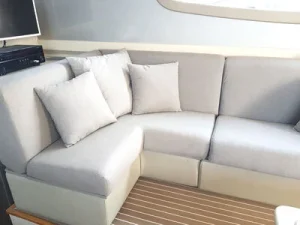
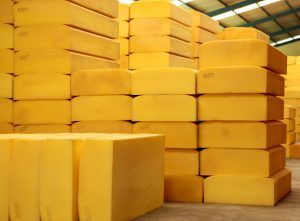
Portofolio Quickdryfoam

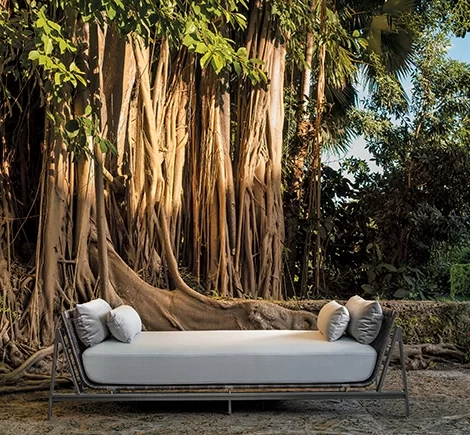
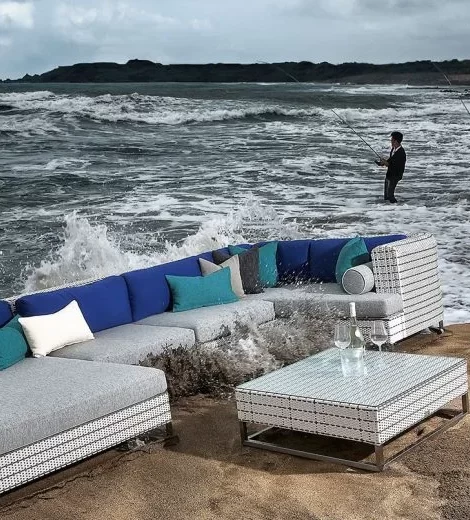



What is Reticulated Foam?
At first glance, reticulated foam may look quite similar to standard foam, but if you hold it in your hands and take a closer look, you’ll notice a striking difference in its structure. Unlike traditional foam that has small, closed pockets of air, reticulated foam features an open, web-like network of interconnected cells. This structure is designed to allow both air and water to flow through it freely, which makes it incredibly effective in outdoor environments where exposure to rain and humidity is unavoidable. Instead of holding onto moisture like a sponge and creating that unpleasant soggy feeling, reticulated foam lets liquid drain away almost instantly, leaving the material much drier and fresher than any other type of cushion filler. In other words, you can think of it as a breathable, quick-drying foundation that keeps your cushions comfortable and ready to use, even after a downpour.
Why Reticulated Foam is Perfect for Outdoor Cushions
Outdoor furniture cushions face a long list of challenges that indoor cushions never have to deal with, such as heavy rain, morning dew, constant sunlight, and exposure to dirt and pollen. Regular foam often fails under these conditions because it traps water inside, which leads to mold, mildew, and unpleasant odors. Reticulated foam, however, is specifically engineered to overcome these issues, making it the ideal choice for anyone who wants outdoor cushions that remain clean, comfortable, and long-lasting.
1. Quick-Drying Properties
One of the most frustrating parts of owning outdoor cushions is discovering they’re still wet hours or even days after it rains, which often forces you to avoid using your furniture. Thanks to its open-cell design, reticulated foam drains water almost as quickly as it enters, allowing the cushion to dry much faster than conventional foam ever could. This means you won’t have to wait endlessly before enjoying your outdoor seating again, which makes your space far more inviting and practical.
2. Mold and Mildew Resistance
Moisture is the number-one enemy of any type of cushion, and when it gets trapped inside, it creates the perfect breeding ground for mold and mildew. These not only damage the cushion itself but can also create health concerns and unpleasant smells. Reticulated foam greatly reduces this risk because it doesn’t retain water, which keeps the interior of your cushion clean, fresh, and free from fungal growth.
3. Breathable Comfort
Aside from its water-handling abilities, reticulated foam also improves comfort in hot climates by allowing air to circulate through the cushion. Instead of sitting on a cushion that feels hot and stuffy, you get a seating experience that feels cooler and fresher, which is especially valuable when you’re spending hours outside in the summer heat.
4. Long-Lasting Durability
Outdoor cushions have to endure constant wear and tear, and low-quality foam often compresses or breaks down quickly, leaving you with flat, uncomfortable seating. Reticulated foam, on the other hand, is designed to withstand outdoor use for years, holding its shape, resisting damage, and providing consistent comfort over time, which saves you money on frequent replacements.
How Reticulated Foam is Used in Outdoor Cushions
Because of its specialized design, reticulated foam has become the top choice for a wide variety of outdoor applications. You’ll find it in patio chair cushions, poolside loungers, outdoor sofas, garden benches, and even high-end boat and yacht seating. Its ability to handle constant exposure to water makes it especially popular in marine environments, where durability and quick-drying capabilities are absolutely essential. Essentially, if you want an outdoor cushion that stays supportive, clean, and usable no matter the weather, reticulated foam is the material that delivers.
Comparing Reticulated Foam to Other Foam Types
It’s natural to wonder why you can’t just use a cheaper type of foam instead, but when you compare them side by side, the differences are very clear. Conventional foam acts like a sponge, soaking up water and taking forever to dry, which results in mold and a short lifespan. Memory foam, while excellent for indoor mattresses and pillows, is a terrible choice outdoors because it traps moisture and loses its shape quickly in damp environments. Polyurethane foam is often used in indoor cushions and mattresses, but it isn’t designed to handle constant exposure to weather, so it deteriorates much faster when used outside. Reticulated foam, in contrast, was created with the outdoors in mind, combining breathability, quick-drying performance, and long-term durability. While it may cost a little more upfront, it easily pays for itself by lasting much longer and performing far better than the alternatives.
Tips for Choosing the Right Reticulated Foam for Your Cushions
If you’ve decided to upgrade your outdoor furniture with reticulated foam, you’ll want to choose the right type for your specific needs. The density of the foam plays a big role—higher-density foam provides firmer support and greater durability, while lower-density foam feels softer but may not last as long under heavy use. The thickness of the foam is equally important; thicker foam is ideal for loungers and deep-seated sofas, while thinner foam works fine for benches and dining chairs. Always take accurate measurements of your cushion covers before ordering foam, since a precise fit makes a huge difference in comfort and appearance. Finally, pairing the foam with a quality outdoor fabric that is UV-resistant and water-repellent will ensure your cushions stay stylish, comfortable, and protected for years.
Caring for Reticulated Foam Cushions
One of the best things about reticulated foam is how easy it is to maintain. Unlike standard foam that needs constant attention, reticulated foam requires only occasional care to stay in excellent condition. Simply rinse it with water now and then to remove dust or debris, and always let it air dry completely—something that doesn’t take long thanks to its open structure. Using washable covers not only protects the foam but also makes it easy to keep your furniture looking fresh and inviting, no matter how much use it gets.
Why Invest in Reticulated Foam for Outdoor Living?
When you think about your outdoor living space, it’s more than just a collection of furniture—it’s an extension of your home where you relax, entertain, and create memories. Investing in high-quality foam for your cushions ensures that this space remains as comfortable and welcoming as possible. While reticulated foam may seem like a bigger investment compared to cheaper options, its durability, comfort, and weather-resistant qualities make it the smarter choice in the long run. Instead of replacing soggy, moldy cushions every season, you’ll enjoy seating that looks great, feels supportive, and stands up to the challenges of outdoor life year after year.
Conclusion
Not all foam is designed to handle the challenges of outdoor living, and if you’ve ever dealt with soggy, smelly cushions, you already know how frustrating it can be to choose the wrong material. Reticulated foam for outdoor cushions solves these problems with its quick-drying, breathable, and durable design, making it the best choice for anyone who wants comfortable, low-maintenance seating that lasts. By investing in this type of foam, you’re not just upgrading your cushions—you’re upgrading your entire outdoor living experience, ensuring that every moment spent outside is as enjoyable as possible.
FAQs
1. Is reticulated foam worth the higher cost?
Yes, the upfront investment pays off because it lasts longer, resists mold, and reduces the need for frequent cushion replacements.
2. Can reticulated foam be used indoors?
Absolutely—it works indoors as well, especially in humid or damp environments where regular foam would struggle.
3. How long does reticulated foam usually last?
With the right care, it can easily last between 7 to 10 years, depending on how often it’s used and how much weather exposure it gets.
4. Does reticulated foam feel comfortable enough for lounging?
Yes, it’s both supportive and breathable, and when paired with a soft fabric cover, it provides excellent comfort for extended sitting or lounging.
5. Can I cut reticulated foam myself for custom cushion sizes?
Yes, you can cut it at home using a sharp knife or an electric carving tool to create a precise fit for your cushion covers.