


When you think about a perfect day out on the water, you probably imagine sunshine, laughter, maybe some fishing or swimming, and of course, plenty of time relaxing on your boat. However, the reality is that no matter how beautiful the scenery is or how smooth the ride feels, your enjoyment can be quickly ruined if the boat cushions you’re sitting on are hard, stiff, or simply uncomfortable. This is exactly why soft foam for boat cushions has become such a popular choice among boat owners, as it provides that extra touch of comfort and luxury that makes every moment on the water feel better, more enjoyable, and more relaxing.

Portofolio Quickdryfoam




Why Comfort Matters on a Boat
Comfort may not be the first thing that comes to mind when outfitting a boat, but it plays a bigger role in your experience than you might think. After all, boats are places where people gather to relax, socialize, fish, or simply enjoy the beauty of nature, and that usually involves sitting or lounging for hours at a time. If your cushions are too hard or poorly made, you’ll likely end up with aching muscles, stiff joints, or even a sore back, which can make a fun trip feel exhausting instead of rejuvenating. Just as a high-quality mattress makes all the difference in your sleep, the right foam in your boat cushions makes all the difference in how much you enjoy your time on board.
What Is Soft Foam?
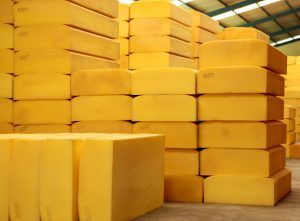
Soft foam is a type of polyurethane or memory foam designed with a lower density and greater flexibility than firmer varieties, which means it gently molds to the shape of your body rather than resisting it. This kind of foam has a “sink-in” quality that feels cozy and inviting, giving you a cushioned surface that still bounces back to its original shape once you stand up. When used in boat cushions, soft foam delivers a plush and supportive seating experience that feels almost like bringing the comfort of your living room couch out onto the open water.
Benefits of Using Soft Foam for Boat Cushions
1. Ultimate Comfort
Perhaps the most obvious advantage of soft foam is the incredible level of comfort it provides, as sitting on these cushions feels less like sitting on a seat and more like sinking into a cloud. The foam conforms to your shape, distributing weight more evenly and reducing pressure points, which means you can stay seated or reclined for long periods of time without feeling sore or restless.
2. Aesthetic Appeal
Soft foam doesn’t just feel good—it looks good too, because it gives cushions a fuller, more luxurious appearance that makes your boat feel more welcoming. Whether you’re entertaining guests or simply lounging by yourself, cushions filled with soft foam look plump and inviting, elevating the overall atmosphere of your boat’s seating areas.
3. Easy to Work With
Another advantage of soft foam is its flexibility, which makes it easier to cut, shape, and fit into customized cushion covers than firmer foams. This means boat owners and upholsterers can design cushions that perfectly fit unusual seating areas, benches, or curved lounge sections, without struggling to work with a material that feels too rigid or resistant.
4. Cost-Effective Choice
Compared to high-resilience or specialty foams, soft foam tends to be more affordable while still delivering impressive comfort, making it a practical choice for boat owners who want to upgrade their seating without breaking the bank. It’s an excellent option if you’re trying to strike a balance between cost and comfort.
5. Perfect for Lounging Areas
While firm foam works better for seats that endure constant pressure or weight, soft foam excels in areas meant for relaxation. This makes it the perfect option for sun pads, benches, or backrests where you want to stretch out and enjoy long, carefree moments of rest.
Where to Use Soft Foam on a Boat
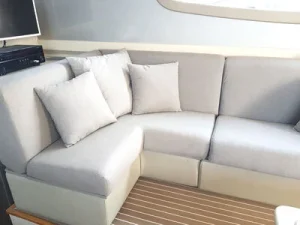
Not every part of your boat requires the same type of foam, and that’s why soft foam works best in specific areas where comfort is the priority rather than constant durability. For example, it’s ideal for backrests, since having a softer material behind your back makes lounging more pleasant, especially during long rides. It’s also a fantastic choice for sun pads, which are designed for relaxation and benefit from extra cushioning that allows you to lay comfortably for hours at a time. Lounges and benches also feel far more inviting with soft foam, giving them the same cozy quality as a living room sofa. Even cabin seating below deck can feel more like home with the addition of soft foam, making the space perfect for reading, napping, or relaxing during cooler evenings.
Soft Foam vs. Firm Foam: Which Should You Choose?
One of the most common questions boat owners face is whether to choose soft or firm foam, and the truth is that both have their place depending on how the seat will be used. Soft foam is unbeatable when it comes to comfort, but firm foam is better for high-traffic areas like helm seats, where constant pressure demands more structure and durability. The best solution is often a combination of both—using firm foam in high-use areas for support and long-lasting resilience, while reserving soft foam for lounges, backrests, and sun pads where you really want that extra element of comfort.
How to Choose the Right Soft Foam for Boat Cushions
When selecting soft foam for your cushions, it’s important to think beyond just softness and consider factors that influence durability and performance on a boat.
1. Density
Foam density affects how supportive and long-lasting your cushions will be, so look for a medium-density option that provides softness without collapsing too easily.
2. Thickness
The thickness of your foam also impacts comfort, with thinner foam working fine for backrests while thicker foam is necessary for loungers or sun pads. A good rule of thumb is 2–3 inches for backrests and 4–6 inches for lounging cushions.
3. Water Resistance
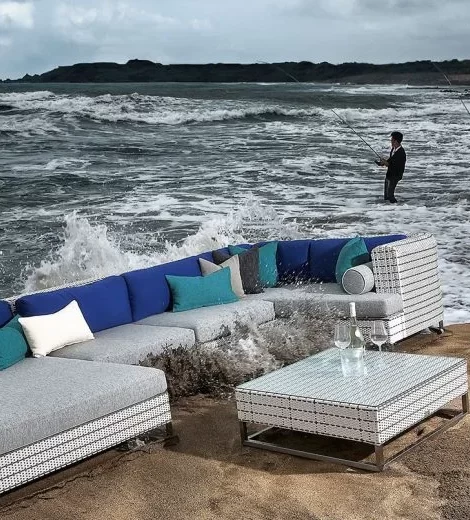
Because boats are exposed to water and humidity, soft foam should ideally be paired with marine-grade, water-resistant covers or combined with quick-dry foam layers to prevent issues like mold or mildew.
4. Durability
Even though soft foam is known for comfort, choosing marine-grade foam designed specifically for outdoor use ensures your cushions maintain their plush feel and last much longer.
Maintaining Soft Foam Boat Cushions
The lifespan of your cushions depends heavily on how well you take care of them, and fortunately, maintaining soft foam is simple when you follow a few basic steps. Always use protective covers made from marine-grade fabric, as this not only keeps your foam dry but also prevents fading from sun exposure. After a day on the water, air out your cushions to avoid trapped moisture, and rotate them occasionally to prevent uneven wear. Clean up spills immediately with mild soap and water so stains and odors don’t settle into the foam. With just a little attention, your soft foam cushions will stay looking and feeling new for years.
Final Thoughts
Soft foam may not be the firmest or most rugged option available, but when it comes to pure comfort and relaxation, it’s practically unbeatable. By incorporating soft foam into your boat cushions, you can elevate the entire boating experience, making every trip feel more like a luxury getaway than just a ride across the water. Choosing the right foam, placing it in the right seating areas, and caring for it properly will reward you with cushions that not only look inviting but also feel incredible every time you use them. At the end of the day, boating is about enjoying every moment, and soft foam helps ensure that each of those moments is as comfortable and relaxing as possible.
FAQs
1. Is soft foam durable enough for boat cushions?
Yes, soft foam can last for many years if it’s used in the right areas, such as backrests and loungers, and if it’s protected with high-quality marine covers.
2. Can I use only soft foam for all my boat seats?
You could, but it’s not always recommended. Helm seats and other high-use areas benefit from firmer foam for added support, while soft foam is best reserved for relaxation zones.
3. How thick should soft foam cushions be for comfort?
For most backrests, 2–3 inches is enough, but for lounging areas like sun pads or benches, you’ll want 4–6 inches of thickness for maximum comfort.
4. Does soft foam dry quickly if it gets wet?
Soft foam tends to hold water, so it doesn’t dry as quickly as reticulated or quick-dry foam. That’s why it’s best to pair it with water-resistant covers.
5. What’s the best way to clean soft foam boat cushions?
The easiest method is to use mild soap and warm water, gently scrubbing the fabric cover and allowing the cushion to air dry completely before use.