


If you spend a lot of time on the water, you already know how much wear and tear your boat cushions go through, especially when they’re constantly exposed to harsh sunlight, salty air, splashes of water, and the steady weight of passengers moving around. Boat cushions aren’t just about adding a touch of style to your seating areas—they play a major role in providing comfort, support, and safety, which is why choosing the right durable foam for heavy use boat cushions makes such a big difference. Nothing ruins a day on the water faster than sitting on cushions that sag, soak up water, or smell like mildew after just a season of use, so investing in the right foam upfront saves both frustration and money over the long run.

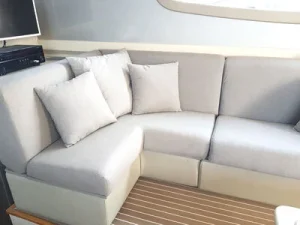
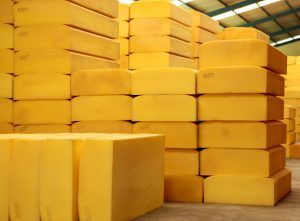
Portofolio Quickdryfoam




Why Foam Matters So Much in Boat Cushions
Foam might not be the first thing you think of when you imagine a relaxing day on your boat, but it’s actually the hidden star of the show because it determines how comfortable, supportive, and long-lasting your seating will be. Think about it: even if the outside fabric of your cushion looks amazing, if the foam inside is cheap or poorly suited to marine conditions, the cushion will lose its shape, flatten out quickly, or worse, soak up water and start to rot. Unlike indoor furniture cushions, which only have to worry about occasional use, boat cushions are constantly tested by extreme conditions like UV rays that break down materials, saltwater that corrodes everything it touches, and humidity that encourages mold to grow. This is exactly why marine-grade foam is designed differently—it’s built to survive where ordinary foam fails, giving you the comfort you want and the durability you need.
Top Types of Foam for Heavy Use Boat Cushions
Not all foams are created equal, and if you’re serious about making your boat cushions last, it’s worth taking the time to understand the main types of foam that work best for marine use.
Closed-cell foam is often considered the toughest and most reliable option for heavy-duty marine cushions because it has a structure that literally prevents water from being absorbed into the material. This unique design keeps the foam lightweight, buoyant, and resistant to the kind of soggy, waterlogged mess that ruins regular foam. Its firmness also makes it an excellent choice for cushions that get used constantly, since it holds its shape well and doesn’t collapse under pressure, meaning you’ll avoid that sinking feeling when you sit down after a long day on the water.
2. High-Density Polyurethane Foam
When comfort matters just as much as durability, high-density polyurethane foam comes into play because it combines resilience with a softer feel. Unlike low-density foams that quickly compress and wear out, high-density foam bounces back even after hours of continuous use, making it perfect for seating areas where people gather often. It provides long-lasting support while still feeling comfortable enough to sit on for extended periods, which is a balance many boat owners look for when upgrading their cushions.
3. Reticulated (Dry-Fast) Foam
Reticulated foam, sometimes called “dry-fast foam,” is the ultimate solution for areas that are constantly exposed to water because its open-cell structure allows water to pass straight through instead of being absorbed. Imagine pouring water onto a sponge with big pores that drains instantly—that’s how reticulated foam works, and it’s why it’s so effective at preventing mildew and odors. This feature makes it especially popular for outdoor cushions that get wet often, since the fast-drying ability keeps the foam fresh and usable with very little maintenance.
4. Memory Foam Blends (for Luxury Boats)
For boat owners who want to take things up a notch in terms of luxury, memory foam blends are sometimes added as a top layer to other foams to create an extra-plush feel. While memory foam alone isn’t ideal for marine conditions because it retains moisture, when it’s used in combination with closed-cell or high-density polyurethane foam, it provides that cloud-like comfort without sacrificing durability. This blend is often found on high-end yachts or boats where luxury seating is a priority.
What Makes Foam Durable for Heavy Use?
Durability in foam isn’t just about choosing the right type—it’s about understanding the science that makes one foam last longer than another. Foam durability is influenced by several key factors, starting with density, which is essentially how much material is packed into the foam. Higher-density foam is stronger, more supportive, and less likely to break down over time. Then there’s water resistance, which determines how well the foam can resist absorbing moisture, since water is the number one enemy of cushion longevity in marine environments. UV resistance also plays a huge role because constant exposure to sunlight weakens materials and causes them to crumble. Finally, there’s compression recovery, which is the foam’s ability to spring back to its original shape after being used—if a cushion doesn’t recover well, it will quickly turn flat and uncomfortable.
Tips for Choosing the Right Foam for Your Boat Cushions
When it comes to choosing the right foam for your boat cushions, there’s no one-size-fits-all answer because it really depends on how you use your boat and what your priorities are. If you regularly host guests and need cushions that can withstand constant use, high-density polyurethane foam offers the perfect balance of support and comfort. If your boat cushions are likely to get wet often, reticulated foam will save you endless headaches since it dries so quickly and resists mold growth. On the other hand, if water resistance is your top priority and you want cushions that will never feel soggy, closed-cell foam is hard to beat. No matter what foam you choose, make sure you also pair it with marine-grade vinyl or fabric covers to protect against UV rays, salt, and wear.
Benefits of Using Durable Foam in Heavy Use Boat Cushions
Investing in durable foam might seem more expensive upfront, but the benefits quickly outweigh the cost when you consider how much longer it lasts and how much more comfortable it feels. First, you’ll save money in the long run because high-quality foam cushions won’t need to be replaced every season. Second, durable foam maintains its shape, which means better comfort for you and your passengers during long trips. Third, foams that resist moisture and mildew create a healthier boating environment since they don’t harbor unpleasant odors or allergens. And finally, cushions that look firm and well-kept enhance the overall appearance of your boat, making it look inviting and well-maintained.
How to Maintain Durable Boat Cushion Foam
Even the most durable foam benefits from a little extra care, and with simple maintenance habits, you can extend its lifespan significantly. Start by making sure cushions are aired out after each use, especially if they’ve been exposed to water. Regular cleaning with mild soap and fresh water will prevent dirt and salt buildup, but avoid harsh chemicals that can weaken the foam over time. If possible, store your cushions indoors or in a dry place during the off-season to protect them from prolonged UV exposure. Another smart trick is rotating or flipping the cushions occasionally to distribute wear evenly, which helps them keep their shape longer.
Conclusion
At the end of the day, choosing durable foam for heavy use boat cushions is all about combining comfort with practicality. Whether you prefer the water-resistant strength of closed-cell foam, the supportive bounce of high-density polyurethane, or the quick-drying benefits of reticulated foam, the key is to match your choice to your boating lifestyle and how often your cushions face water and sun. With the right foam and a bit of regular care, your boat cushions won’t just last longer—they’ll keep you and your guests comfortable, supported, and ready to enjoy every adventure out on the water without worrying about sagging seats or moldy cushions.
FAQs
1. What is the most durable foam for boat cushions?
Closed-cell foam is widely considered the most durable because it resists water absorption, maintains its firmness, and withstands heavy, repeated use without losing shape.
2. Can I use regular indoor foam for boat cushions?
No, regular foam isn’t suitable for marine conditions since it absorbs water, breaks down quickly in sunlight, and is highly prone to mold growth. Always choose marine-grade foam.
3. How thick should the foam be for boat seating cushions?
Most seating cushions range from 3 to 6 inches thick, but thicker foam may be used for sun pads or loungers where extra comfort is desired.
4. How do I keep my boat cushions from getting moldy?
Use water-resistant foams like closed-cell or fast-drying foams like reticulated, and make sure to dry your cushions thoroughly after each use.
5. How long can marine-grade foam last in heavy use conditions?
With proper care and protection, high-quality marine-grade foam can last anywhere from 7 to 10 years, even under heavy and frequent use.