


When it comes to relaxing outdoors, nothing beats sinking into soft, supportive patio cushions while enjoying the fresh air. But let’s be real—if your cushions are flat, lumpy, or soggy, that dreamy outdoor vibe quickly turns into a disappointment. The secret to long-lasting comfort and durability lies in one thing: the foam inside your patio furniture cushions. So, how do you choose the perfect foam that balances comfort, durability, and weather resistance? Let’s break it down together.
There’s something incredibly relaxing about spending time outside on a sunny afternoon, sipping a cool drink, and lounging on your patio furniture, but all of that enjoyment depends on whether your cushions are comfortable and supportive enough to let you sit back and truly unwind. When cushions start to feel lumpy, saggy, or worse—soggy after a rain shower—the experience quickly goes from cozy to uncomfortable, which is why the type of foam inside your cushions plays such a vital role in both comfort and durability. The foam you choose can determine whether your outdoor seating feels like a luxurious retreat or ends up being a source of constant frustration that needs replacing season after season.

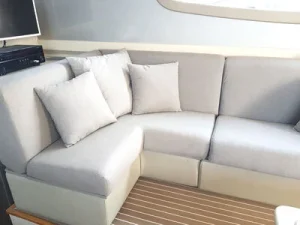
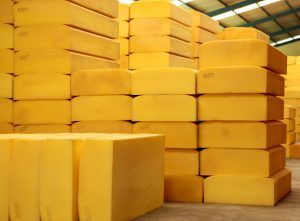
Portofolio Quickdryfoam
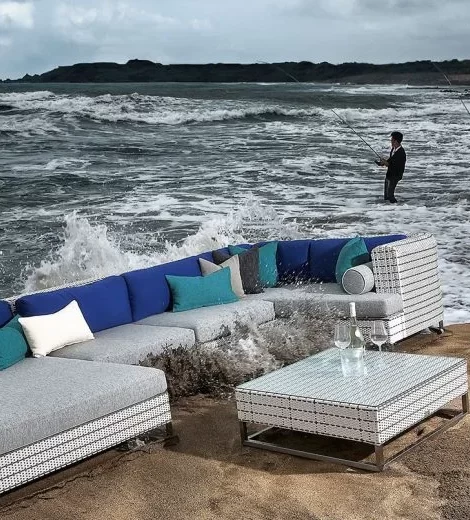



Why the Right Foam Matters for Patio Cushions
Foam is essentially the backbone of any cushion, and just like a mattress that provides restful sleep, the foam inside patio furniture cushions is what delivers the comfort and support you need while sitting outdoors. Without the right foam, no amount of stylish fabric, decorative colors, or fancy patterns will make your cushions comfortable for long-term use. Think about it: flimsy foam breaks down quickly, flattens under pressure, and struggles to withstand outdoor weather conditions, which leads to mold, mildew, and the dreaded “pancake cushion” look. On the other hand, high-quality foam maintains its shape, resists water, and continues to provide comfort for years, making your patio feel more like an extension of your living room than just another spot in the backyard.
Types of Foam for Patio Furniture Cushions
Not all foam is created equal, and knowing the differences between the main types available can save you time, money, and frustration in the long run. The right foam depends on your climate, your budget, and the kind of comfort you prefer, so let’s take a closer look at the most popular options.
Polyurethane foam is the most common and affordable option, making it tempting for anyone who doesn’t want to spend a lot on outdoor furniture, but while it might seem cost-effective upfront, it’s not designed to handle the elements. This type of foam absorbs water easily, holds onto moisture, and breaks down quickly in humid or rainy climates, which means it can start to smell, grow mildew, and lose its shape far sooner than you’d like. If your patio is well-covered or rarely exposed to rain, polyurethane can be a short-term solution, but it’s not the best investment for long-lasting outdoor use.
High-density foam takes things a step further, offering more support, better durability, and a firmer feel compared to regular polyurethane. It’s often used for seat cushions that see heavy use because it holds its shape longer and doesn’t flatten as easily. However, despite being more resilient, it still struggles with moisture, meaning that if your patio is open to the elements or located in a humid area, it can still develop mold and mildew over time. For partially covered patios or outdoor furniture that doesn’t get rained on often, high-density foam strikes a nice balance between cost and durability.
3. Reticulated Foam (Quick-Dry Foam)
If you’re looking for the absolute best option for outdoor seating, reticulated foam—also known as quick-dry foam—is the clear winner. This specialized foam has an open-cell structure that allows water to pass through instead of being absorbed, which means your cushions won’t stay wet for hours after a rainstorm. Not only does this design prevent mold and mildew from forming, but it also helps the cushions dry out much faster, keeping them fresh and ready to use. While reticulated foam comes with a higher price tag, it’s an investment that pays for itself by offering exceptional comfort, long-term durability, and worry-free maintenance, especially if you live in a rainy or coastal climate.
4. Memory Foam (Blended Options)
Pure memory foam is not suitable for outdoor cushions since it absorbs water and takes ages to dry, but when combined with other foams—usually as a thin topper over high-density or reticulated foam—it adds an extra layer of plush comfort. This combination gives you the best of both worlds: the supportive structure of durable foam and the luxurious “sink-in” feel of memory foam. So, if you want your patio seating to feel just as cozy as your indoor sofa, a blended cushion design could be the perfect choice.
Factors to Consider When Choosing Foam for Patio Cushions
Choosing the right foam is more than just picking the most expensive or the most comfortable option; it’s about finding the right balance that matches your lifestyle, climate, and budget. Here are the most important things to keep in mind when making your decision.
1. Comfort vs. Support
Everyone has different preferences when it comes to seating—some people love a soft, plush cushion that they can sink into, while others prefer a firmer, more supportive feel that keeps its shape. High-density foam offers excellent support, making it ideal for long conversations around the patio table, while reticulated foam provides both support and resilience against the weather. For those who want ultimate comfort, adding a memory foam topper to the mix can create that cloud-like feeling without sacrificing durability.
2. Weather Resistance
Because patio cushions spend most of their time outdoors, they’re constantly exposed to sun, rain, and humidity, which means the foam inside has to be tough enough to handle it all. Reticulated foam is the top choice for weather resistance since it allows water to drain quickly and discourages mold from growing, but even if you choose another type of foam, you should always use protective cushion covers that repel water and shield against UV rays.
3. Durability and Longevity
Replacing patio cushions every year is not only frustrating but also expensive, which is why it’s better to invest in quality foam upfront. While polyurethane might save you money at the start, it won’t hold up over time, whereas high-resilience foam and reticulated foam can last anywhere from five to ten years or more with proper care. Think of it like buying shoes: a cheap pair might last a season, but a well-made pair can last for years, saving you money in the long run.
4. Budget Considerations
It’s no secret that patio furniture can get pricey, and foam is no exception, so your budget will play a big role in your choice. Polyurethane foam is the cheapest but least durable, high-density foam is moderately priced with decent longevity, and reticulated foam is the most expensive but offers the best overall value thanks to its long lifespan and superior performance. When deciding, ask yourself if you’d rather spend less now and replace cushions often, or invest more upfront for comfort and durability that last.
Tips for Extending the Life of Your Patio Cushion Foam
Even the best foam will eventually wear out, but you can easily extend its life with some simple care habits. Start by investing in high-quality waterproof covers that protect your cushions from direct rain, harsh sun, and accidental spills, since this is the first line of defense against damage. On stormy days, it’s a good idea to bring cushions indoors or at least place them in a dry, covered spot, even if you’re using reticulated foam, because less exposure always means a longer lifespan. Regular cleaning is also essential—remove the covers occasionally, let the foam air out, and check for signs of mildew or odor. Rotating your cushions from time to time can help distribute wear evenly, preventing that one “favorite seat” from wearing out faster than the rest. And if you live in a place with harsh winters, storing your cushions in a dry, cool location will help keep them fresh for the next season.
How to Test Foam Quality Before You Buy
If you’re shopping in person, there’s a simple way to judge foam quality: press your hand firmly into the cushion and see how it responds. High-quality foam should bounce back quickly, maintaining its shape, while low-quality foam will stay compressed or feel too spongy. Another tip is to check the density—heavier foam generally means better support and durability. Remember, a cushion might look great on the outside, but it’s the inside foam that really determines whether it will stand the test of time.
Conclusion
Finding the perfect foam for your patio furniture cushions isn’t as complicated as it seems—it’s really about balancing comfort, durability, and weather resistance to create a seating experience you’ll enjoy for years. Polyurethane foam might work if you’re on a tight budget and have a covered patio, high-density foam offers better support for semi-outdoor setups, and reticulated foam is the ultimate solution for anyone who wants worry-free outdoor comfort in all weather conditions. By making the right choice and taking care of your cushions with proper covers and storage, you’ll transform your patio into a welcoming retreat where family and friends can relax anytime.
FAQs
1. What is the best foam for outdoor patio cushions?
The best foam for outdoor cushions is reticulated (quick-dry) foam because it allows water to drain quickly, resists mold and mildew, and stays comfortable even after years of use.
2. How thick should patio cushion foam be?
For seat cushions, a thickness of 3–6 inches provides plenty of comfort and support, while back cushions can be slightly thinner at around 2–4 inches since they don’t bear as much weight.
3. Can I use memory foam for outdoor cushions?
Pure memory foam is not recommended for outdoor use since it absorbs water, but it can be used in combination with high-density or reticulated foam as a topper to add extra comfort.
4. How long does patio cushion foam last?
High-quality foam such as high-resilience or reticulated foam can last anywhere from 5–10 years with proper care, while cheaper foams like polyurethane may only last one or two seasons.
5. How do I keep my outdoor cushion foam from getting moldy?
Choose quick-dry reticulated foam, use waterproof covers to shield against moisture, and store cushions in a dry location when not in use to prevent mold from forming.