


When shopping for new cushions, many homeowners ask the same question: “Can I just use regular foam for outdoor furniture instead of paying more for outdoor foam?” At first glance, both options may look similar, but the truth is that they perform very differently when exposed to sunlight, rain, humidity, and constant use. The type of foam you choose for your cushions doesn’t just affect comfort—it determines how long your furniture lasts, how much maintenance it needs, and whether you’ll face common issues like sagging, mold, or unpleasant odors.
In this article, we’ll explore the main differences between outdoor foam and regular foam so you can make an informed decision when upgrading or replacing your cushions.


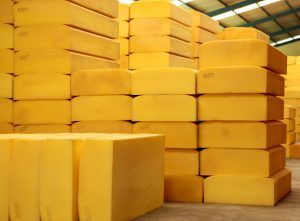
Portofolio Quickdryfoam






What Is Regular Foam?
Regular foam is the standard material used in most indoor furniture such as sofas, dining chairs, and mattresses. It is comfortable, relatively affordable, and widely available. However, the biggest problem with regular foam is that it’s designed for indoor environments only. Its closed-cell structure traps moisture inside, which means that if it ever gets wet—whether from a spill or outdoor rain—it can take days to dry. During that time, bacteria and mildew can begin to form, creating bad odors and potential health hazards.
For an indoor sofa or chair, this isn’t usually an issue since these items rarely face water or direct weather exposure. But once you move regular foam outside, where it faces unpredictable rain showers, humidity, and morning dew, the disadvantages become impossible to ignore.
What Is Outdoor Foam?
Outdoor foam, particularly quick-dry foam, is engineered to perform in environments where exposure to water and moisture is unavoidable. Unlike regular foam, outdoor foam has an open-cell structure that allows water to pass through freely instead of being trapped. With this design, any water drains away almost instantly, and the foam dries within hours rather than days.
This technology not only prevents the growth of mold and mildew but also ensures that cushions remain hygienic and comfortable even in wet conditions. Outdoor foam is also built to withstand UV exposure and temperature changes, making it far more durable in harsh climates.
👉 Explore our selection of outdoor foam cushions designed to deliver both comfort and long-lasting performance in any outdoor setting.
Key Differences Between Outdoor Foam and Regular Foam
1. Water Resistance and Drainage
- Regular Foam: Acts like a sponge, soaking up water and holding onto it. Once wet, it stays damp for days.
- Outdoor Foam: Allows water to flow through, drying quickly and avoiding the unpleasant smell and damage caused by moisture.
2. Durability and Longevity
- Regular Foam: Prone to breaking down faster when exposed to humidity, mold, or harsh sun.
- Outdoor Foam: Designed to resist weather damage and maintain firmness and shape much longer, even with daily use.
3. Hygiene and Health
- Regular Foam: Moisture retention encourages the growth of bacteria, mildew, and even allergens.
- Outdoor Foam: Prevents microbial growth by drying quickly and allowing proper airflow, keeping cushions fresher and safer.
4. Comfort and Support
Both regular foam and outdoor foam provide cushioning, but outdoor foam is specifically engineered to maintain its support despite repeated wet-and-dry cycles. This makes it not just comfortable but also consistently reliable.
👉 Read more: Why Quick-Dry Foam Is the Best Choice for Outdoor Cushions.
5. Maintenance Needs
- Regular Foam: Requires frequent drying, cleaning, and sometimes complete replacement.
- Outdoor Foam: Simple rinsing and air drying are usually enough to keep cushions in good condition.
Which Foam Should You Choose?
If you are furnishing indoor spaces, regular foam is perfectly fine and remains the cost-effective choice. But for patios, poolside loungers, garden benches, or marine seating, outdoor foam is the clear winner. By choosing outdoor foam, you avoid the constant frustration of soggy, smelly cushions and instead enjoy low-maintenance, long-lasting comfort.
While outdoor foam may come at a slightly higher initial cost compared to regular foam, it saves you money in the long run by reducing the frequency of replacements and preventing the damage caused by mold or waterlogging.
Conclusion
The difference between outdoor foam and regular foam comes down to performance in challenging conditions. Regular foam is best kept indoors, while outdoor foam is the smart investment for any furniture exposed to the elements. If you want cushions that remain dry, fresh, and supportive season after season, outdoor foam is the only choice worth considering.
👉 Upgrade your seating today with our high-quality outdoor foam cushions and experience the comfort, durability, and peace of mind that regular foam simply cannot deliver.